

Namibia’s Vision 2030: Leveraging AI, Entrepreneurship, and Ethical Practices for Growth
Namibia, a nation characterised by its sweeping deserts, abundant yet largely untapped natural resources, and a population known for its resilience, finds itself on the brink of a transformative era. In today’s rapidly evolving world, where innovation has transitioned from being a competitive advantage to an absolute necessity for survival, Namibia’s business and financial sectors are stepping up to meet the demands of the modern age. From pioneering renewable energy projects to implementing inclusive digital identity systems, from offering accessible debt consolidation services to providing workforce solutions tailored to emerging industries, Namibia is crafting a compelling narrative of ingenuity and determination. Yet, this progress must be contextualised within the nation’s current standing: ranked 102 out of 133 economies in the 2024 Global Innovation Index. This ranking serves as both a sobering reminder of the challenges ahead and a clarion call to action. How can a country with such unique strengths—its rich natural assets, strategic geographic location, and cultural diversity—harness these attributes to not only compete but thrive on the global stage?
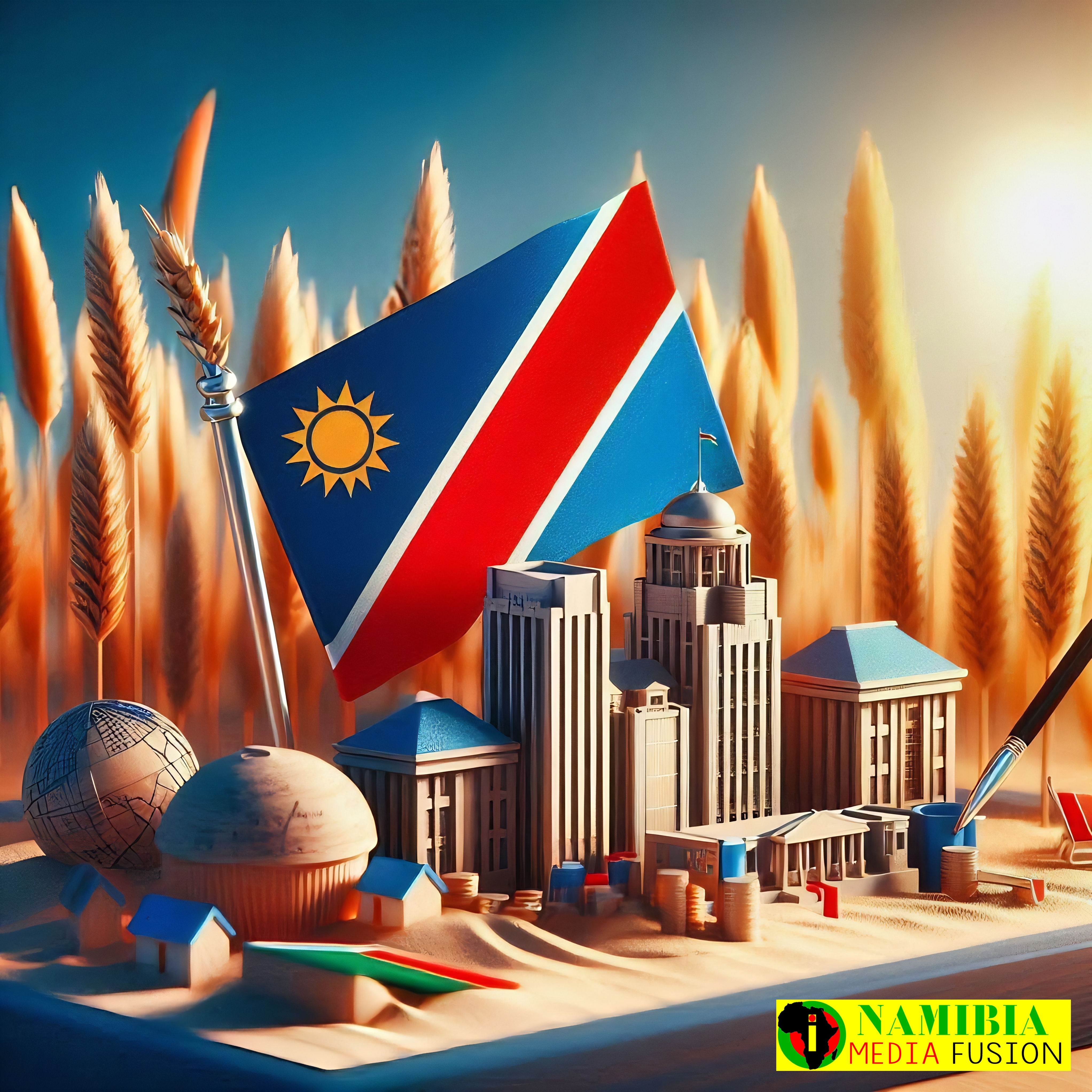
To understand Namibia’s innovation journey, one must first appreciate the broader landscape in which it operates. The nation’s vast deserts, often perceived as barriers, are increasingly viewed as opportunities for groundbreaking renewable energy initiatives. For instance, solar photovoltaic (PV) projects at mines like Sorexa and Rossing Uranium demonstrate how Namibia is leveraging its abundant sunshine to power industrial operations sustainably. Similarly, the Otjikoto Biomass Power Station, funded by international partners such as the French Development Agency, highlights the potential of local resources to drive community-focused energy solutions. These efforts align with Namibia’s commitment to decarbonisation and sustainable development, positioning the country as a leader in green energy on the African continent.
Beyond renewable energy, Namibia is also making strides in digital transformation. The push for inclusive digital identity systems, supported by the United Nations Development Programme (UNDP), underscores the nation’s dedication to ensuring that no one is left behind in the digital age. Pilot projects are underway to test and refine these systems, with a particular focus on rural and marginalised communities. By providing secure digital identities, Namibia aims to empower its citizens to access essential services such as healthcare, education, and social benefits. This initiative not only addresses immediate needs but also contributes to achieving Sustainable Development Goal 16.9, which advocates for legal identity for all by 2030.
In the financial sector, innovation is taking shape through services like PostFin’s debt consolidation loans, which offer individuals and small businesses a lifeline by streamlining payments into manageable monthly instalments. Such financial tools are crucial for fostering economic stability and enabling entrepreneurship, particularly among small and medium enterprises (SMEs). However, challenges persist. Limited access to capital, low levels of digital literacy, and inadequate communication strategies continue to hinder the growth of many SMEs. Addressing these barriers requires concerted efforts from both the public and private sectors, including investments in infrastructure, targeted digital literacy campaigns, and policies aimed at making technology more accessible and affordable.
Workforce solutions tailored to emerging industries further exemplify Namibia’s innovative spirit. Companies like Workforce Staffing Namibia are playing a pivotal role in bridging the skills gap by upskilling local workers and facilitating knowledge transfer from expatriates. Their focus on sectors such as oil, gas, mining, and green hydrogen ensures that Namibians are equipped to seize opportunities in high-growth areas. This approach not only fosters sustainable employment but also aligns with Namibia’s broader goals of economic diversification and inclusivity.
Despite these achievements, Namibia faces significant hurdles. Ranked 102nd in the Global Innovation Index, the country must contend with structural challenges such as fragmented service delivery, limited interoperability between databases, and insufficient investment in research and development. To overcome these obstacles, Namibia must adopt a holistic strategy that integrates technological advancements with human-centred policies. Collaboration between academia, industry, and government will be critical. For example, the partnership between the University of Namibia (UNAM) and Telecom Namibia to establish the Centre for Innovation and Entrepreneurship (CIF) demonstrates how such alliances can drive innovation ecosystems forward.
Ultimately, Namibia’s journey is about more than just climbing global rankings; it is about reimagining what is possible. By embracing innovation as a cornerstone of its development agenda, Namibia has the potential to redefine its future. The question remains: how will the nation balance its aspirations with the realities of its current position? Can it transform its unique strengths into tangible outcomes that benefit all its citizens? As we delve deeper into Namibia’s innovation story, we uncover not only the triumphs and challenges but also the immense promise that lies ahead. This is a moment of reckoning—and opportunity—for Namibia, as it charts a course toward a brighter, more innovative tomorrow.
-
The Importance of Innovation in Economic Growth: A Namibian Perspective
Innovation is not merely a buzzword; it is the lifeblood of sustainable economic development and a gateway to global relevance, particularly for nations like Namibia. As a country rich in natural resources but grappling with structural challenges such as unemployment, poverty, and inequality, Namibia stands to benefit immensely from embedding innovation into its economic fabric. By fostering a culture of creativity and technological advancement, Namibia can unlock new opportunities, diversify its economy, and position itself as a leader in sustainable growth on both regional and global stages.
Innovation as a Catalyst for Sustainable Development
Namibia’s journey toward sustainable economic development hinges on its ability to innovate. The nation’s abundant natural resources—ranging from diamonds to uranium, and its vast potential for renewable energy—present unique opportunities for transformation. However, these assets alone are insufficient without innovative strategies to harness them effectively. For instance, Namibia’s recent oil and gas discoveries have drawn global attention, offering a credible pathway to address long-standing developmental challenges. According to Mines and Energy Minister Tom Alweendo, revenues from these resources should be reinvested in innovation, social services, and industries that will sustain Namibia long after the finite resources are depleted. This forward-thinking approach underscores the critical role of innovation in ensuring that economic growth is not only immediate but enduring.
Moreover, Namibia’s commitment to sustainability is evident in projects like the 40 MW Otjikoto Biomass Power Station, funded by the French Development Agency and other partners. This initiative exemplifies how innovation can leverage local resources to empower communities while addressing environmental challenges. By prioritising renewable energy and green technologies, Namibia aligns itself with global trends towards decarbonisation, enhancing its reputation as a responsible actor on the international stage.
Addressing Historical Structural Challenges
Innovation also serves as a powerful tool for tackling Namibia’s historical structural challenges, including high unemployment, pervasive poverty, and stark income inequalities. These issues, rooted in colonial legacies and exacerbated by limited industrialisation, require bold and creative solutions. One promising avenue lies in the burgeoning green hydrogen sector, which has the potential to revolutionise Namibia’s economy. As highlighted by Minister Alweendo, the government aims to produce green hydrogen at scale, creating new industries and job opportunities that cater to both domestic and international markets. Such initiatives not only stimulate economic activity but also foster inclusivity by providing pathways for marginalised groups to participate in the formal economy.
Small and Medium Enterprises (SMEs), often referred to as the backbone of any thriving economy, represent another area where innovation can drive meaningful change. Despite their immense potential, many SMEs in Namibia face barriers such as limited access to capital, low digital literacy, and inadequate communication strategies. By adopting innovative financial products—such as PostFin’s debt consolidation loans—and embracing digital platforms, SMEs can overcome these hurdles and contribute more robustly to national GDP. Furthermore, workforce solutions tailored to emerging industries, as offered by companies like Workforce Staffing Namibia, ensure that locals are equipped with the skills needed to thrive in sectors like mining, renewable energy, and green hydrogen. This dual focus on empowering businesses and upskilling individuals creates a virtuous cycle of economic empowerment.
Bridging Gaps Through Digital Transformation
Digital transformation is another cornerstone of innovation that holds significant promise for Namibia. The push for inclusive digital identity systems, supported by the United Nations Development Programme (UNDP), highlights the nation’s dedication to bridging gaps in service delivery. For many Namibians, particularly those in remote areas, accessing essential services is hindered by the lack of verifiable identification. By implementing secure digital identities, Namibia can empower its citizens to access healthcare, education, and social benefits, thereby reducing poverty and inequality. This initiative aligns with Sustainable Development Goal 16.9, which advocates for legal identity for all by 2030, and reflects Namibia’s commitment to leaving no one behind.
Additionally, digital tools and platforms can enhance transparency and accountability in governance, fostering trust between citizens and institutions. For example, the Ministry of Home Affairs, Immigration, Safety and Security is actively working to overcome fragmented service delivery and limited interoperability between databases. Such efforts streamline operations, reduce inefficiencies, and improve public confidence in government systems—all of which are prerequisites for sustainable economic growth.
Fostering Global Relevance
For Namibia to achieve global relevance, it must position itself as a hub of creativity and ingenuity. The University of Namibia’s (UNAM) Chancellor’s Innovation Fund (CIF) exemplifies this ambition by nurturing tech-driven projects among students and staff. With support from partners like Telecom Namibia, CIF provides training, mentorship, and funding to transform innovative ideas into commercially viable products or services. Projects ranging from online intelligence platforms to farming technology demonstrate the breadth of possibilities when innovation is prioritised. By investing in research, development, and entrepreneurship, Namibia can cultivate a pipeline of homegrown solutions that address local needs while appealing to global markets.
Furthermore, Namibia’s adherence to international standards, such as the Kimberley Process for ethically sourced diamonds, enhances its standing as a reliable and responsible trading partner. In an era where consumers increasingly value sustainability and ethical practices, Namibia’s commitment to these principles gives it a competitive edge. By continuing to innovate in areas like provenance tracking and supply chain transparency, Namibia can capitalise on global demand for responsibly sourced goods, further solidifying its place on the world stage.
Conclusion
In conclusion, innovation is not just a driver of economic growth—it is a necessity for Namibia’s survival and prosperity in an ever-changing world. By serving as a gateway to sustainable development, addressing historical structural challenges, and fostering global relevance, innovation enables Namibia to chart a course toward a brighter future. Whether through renewable energy projects, digital inclusion initiatives, or entrepreneurial ventures, the nation’s potential is vast. However, realising this potential requires collaboration among stakeholders, strategic investments, and a steadfast commitment to progress. As Namibia embraces innovation as a cornerstone of its development agenda, it moves closer to achieving its vision of becoming a beacon of progress and creativity—not just in Africa, but globally.
-
Namibia’s Current Standing in Global Innovation: A Challenge and an Opportunity
Namibia’s ranking of 102 out of 133 economies in the 2024 Global Innovation Index (GII) serves as both a sobering reminder of the nation’s current limitations and a powerful catalyst for transformative action. While this position underscores the challenges Namibia faces in fostering innovation, it also highlights the immense potential for growth if strategic interventions are implemented. As global markets increasingly pivot towards sustainability, technology, and inclusivity, Namibia must seize this moment to prioritise increased investment in research, development, and technology adoption. Doing so will not only enhance its standing on the global stage but also drive meaningful socio-economic progress at home.
Understanding the Ranking: A Reflection of Structural Challenges
Namibia’s 102nd position in the GII is indicative of systemic issues that have long hindered innovation. These include limited access to capital, insufficient infrastructure, low levels of digital literacy, and fragmented service delivery systems. For instance, the lack of interoperability between databases—highlighted by the Ministry of Home Affairs, Immigration, Safety and Security—creates inefficiencies that impede innovation in areas such as digital identity governance. Similarly, the digital divide between urban and rural areas exacerbates inequalities, leaving large portions of the population underserved and unable to participate fully in the digital economy.
Moreover, Namibia’s relatively modest investments in research and development (R&D) reflect a broader trend across sub-Saharan Africa, where R&D expenditure often lags behind global averages. This underinvestment stifles the creation of new technologies, limits entrepreneurial activity, and slows the pace of economic diversification. Without addressing these structural barriers, Namibia risks falling further behind in the global innovation race.
A Call to Action: Turning Challenges into Opportunities
Despite these challenges, Namibia’s GII ranking should be viewed not as a verdict, but as an invitation to innovate. The country possesses unique strengths that can be leveraged to climb the rankings and achieve sustainable growth. Its vast natural resources, youthful population, and strategic geographic location offer fertile ground for creative solutions tailored to local needs. By focusing on key areas such as renewable energy, digital inclusion, and workforce development, Namibia can carve out a niche as a leader in African innovation.
One area ripe for improvement is increased investment in research, development, and technology adoption. According to Mines and Energy Minister Tom Alweendo, embracing technology and innovation across all stages of development in emerging sectors like oil, gas, and green hydrogen is essential for unlocking Namibia’s full potential. For example, projects like the 40 MW Otjikoto Biomass Power Station demonstrate how targeted investments in renewable energy can yield significant dividends—not just in terms of electricity generation but also in job creation and environmental conservation. Such initiatives require robust funding mechanisms, whether through public-private partnerships or international collaborations, to ensure their success.
The Role of Education and Collaboration
Education plays a pivotal role in driving innovation, and Namibia has already taken promising steps in this direction. The University of Namibia (UNAM), in partnership with Telecom Namibia, has established the Chancellor’s Innovation Fund (CIF) to nurture tech-driven projects among students and staff. With ongoing support from stakeholders, CIF aims to transform innovative ideas into commercially viable products or services, thereby contributing to national employment and economic growth. Projects ranging from online intelligence platforms to farming technology exemplify the breadth of possibilities when education, research, and entrepreneurship converge.
Collaboration between academia, industry, and government is equally critical. For instance, UNAM’s mandate to produce entrepreneurs aligns seamlessly with Vision 2030 and the National Development Plan Five (NDP5), which emphasise the importance of innovation in achieving national development goals. By fostering ecosystems where knowledge transfer and skill-building occur organically, Namibia can bridge gaps in expertise and empower its citizens to thrive in high-growth industries such as mining, renewable energy, and green hydrogen.
Addressing Digital Inclusion and Infrastructure Gaps
To truly accelerate innovation, Namibia must address persistent gaps in digital inclusion and infrastructure. Efforts to establish inclusive digital identity systems, supported by the United Nations Development Programme (UNDP), represent a step in the right direction. These initiatives aim to equip underserved communities—particularly women, children, and rural populations—with secure digital identities, enabling them to access essential services such as healthcare, education, and social benefits. Pilot projects testing various methods for documenting legal identities are underway, reflecting Namibia’s commitment to tailoring solutions to its unique social and geographic landscapes.
However, bridging the digital divide requires more than just policy frameworks; it demands tangible investments in stable internet connectivity, affordable devices, and targeted digital literacy campaigns. Without these foundational elements, even the most innovative digital tools risk being inaccessible to those who need them most. Public-private partnerships could play a crucial role here, leveraging private sector expertise and resources to complement government-led efforts.
Aligning Innovation with Global Trends
Namibia’s journey towards improved innovation performance must also align with global trends, particularly in sustainability and ethical practices. Adherence to standards such as the Kimberley Process for ethically sourced diamonds positions Namibia as a responsible actor in international trade. By continuing to innovate in areas like provenance tracking and supply chain transparency, Namibia can capitalise on growing consumer demand for sustainably produced goods. Furthermore, embracing artificial intelligence (AI) and data analytics—while ensuring culturally aligned policies—are vital for staying competitive in an increasingly digital world.
The recommendations outlined during last year’s stakeholder engagement on UNESCO’s ethics of AI provide a useful roadmap. Developing AI strategies, laws, and policies that meet Namibia’s unique needs while promoting human rights in line with the African Charter on Human and Peoples’ Rights is imperative. Establishing centres of excellence on AI at institutions like the Namibia University of Science and Technology (NUST) and UNAM could further bolster capacity-building efforts.
Conclusion
Namibia’s 102nd ranking in the 2024 Global Innovation Index is neither a permanent label nor an insurmountable obstacle—it is a call to action. By increasing investment in research, development, and technology adoption, strengthening educational and collaborative frameworks, and addressing digital inclusion and infrastructure gaps, Namibia can chart a course towards greater innovation and prosperity. The road ahead will undoubtedly pose challenges, but with determination, collaboration, and strategic planning, Namibia can transform its current standing into a springboard for future success. As the nation embraces innovation as a cornerstone of its development agenda, it moves closer to realising its vision of becoming a beacon of creativity, resilience, and progress—not just in Africa, but globally.
-
Debt Consolidation Services by PostFin: Simplifying Lives and Strengthening Economies
In the ever-evolving landscape of Namibia’s financial sector, innovation is not just a buzzword—it is a lifeline for individuals and businesses navigating complex economic challenges. One such innovation is PostFin’s debt consolidation services, which have emerged as a beacon of hope for those burdened by multiple debts. By streamlining payments into one manageable monthly instalment, PostFin’s debt consolidation loans simplify lives, reduce stress, and empower individuals to take control of their financial futures. Beyond its immediate benefits, this service exemplifies the broader impact of accessible financial services in fostering economic resilience and growth for both small and medium enterprises (SMEs) and individuals across Namibia.

Simplifying Lives Through Streamlined Payments
Imagine juggling multiple loans with varying interest rates, due dates, and repayment terms—a scenario all too familiar for many Namibians. The mental and emotional toll of managing such complexity can be overwhelming, often leading to missed payments, mounting penalties, and deteriorating credit scores. PostFin’s debt consolidation loans address this challenge head-on by combining all outstanding debts into a single loan with a fixed interest rate and extended repayment period of up to 60 months. This streamlined approach not only simplifies financial management but also reduces the stress associated with keeping track of numerous obligations.
For instance, an individual with three separate loans totalling N$200,000 might struggle to meet monthly repayments spread across different creditors. With PostFin’s debt consolidation service, they can consolidate these debts into a single loan of up to N$300,000, allowing them to focus on one affordable payment. By offering loans of this scale, PostFin ensures that even those with higher debt burdens can find relief. This financial innovation transforms what was once a chaotic and stressful experience into a structured and manageable process, freeing individuals to focus on rebuilding their financial health.
Reducing Stress and Enhancing Financial Well-being
The psychological impact of debt cannot be overstated. Chronic financial stress has been linked to anxiety, depression, and reduced productivity—issues that disproportionately affect low- and middle-income households in Namibia. PostFin’s debt consolidation services alleviate this burden by providing a clear path to financial recovery. By reducing the number of creditors individuals must interact with and offering predictable repayment schedules, PostFin instils a sense of control and stability.
Moreover, PostFin encourages responsible borrowing, emphasising sustainable and prudent loan practices. This commitment ensures that while individuals gain access to much-needed financial relief, they are also equipped with the tools and guidance to avoid future debt traps. For example, customers applying for a loan receive personalised advice on budgeting and financial planning, empowering them to make informed decisions about their money. Such measures underscore PostFin’s dedication to fostering long-term financial well-being rather than merely addressing short-term needs.
Broader Impact on SMEs and Individuals
Accessible financial services like PostFin’s debt consolidation loans play a pivotal role in driving broader socio-economic development in Namibia. For individuals, these services create opportunities for upward mobility by improving creditworthiness and enabling participation in the formal economy. A cleaner credit record resulting from timely consolidated repayments opens doors to better employment prospects, housing options, and entrepreneurial ventures.
For SMEs, the ripple effects are equally transformative. Many small business owners rely on personal finances to fund their operations, particularly during periods of cash flow constraints. When entrepreneurs are weighed down by personal debt, their ability to invest in or expand their businesses is severely limited. By alleviating this burden, PostFin indirectly supports SME growth, job creation, and economic diversification. Furthermore, accessible financial services enhance the overall stability of Namibia’s financial ecosystem, encouraging greater trust and participation among underserved populations.
Bridging Gaps in Financial Inclusion
Namibia faces significant disparities in financial inclusion, particularly between urban and rural areas. While urban dwellers may have easier access to traditional banking services, rural communities often remain underserved, leaving them vulnerable to predatory lending practices. PostFin’s debt consolidation services help bridge this gap by offering accessible and transparent solutions tailored to diverse needs.
Additionally, initiatives like the Credit Guarantee Scheme (CGS), which ensures that bankable SMEs lacking collateral can secure loans, complement PostFin’s efforts. Together, these innovations create a more inclusive financial environment where no one is left behind. By prioritising accessibility and affordability, PostFin contributes to Namibia’s broader goals of reducing poverty, inequality, and unemployment—key pillars of Vision 2030 and the National Development Plan Five (NDP5).
Aligning with Global Trends in Financial Innovation
PostFin’s debt consolidation services align with global trends towards digital transformation and customer-centric financial products. As Namibia embraces digital identity systems and other technological advancements, there is growing potential to integrate these innovations into financial services. For example, secure digital identities could streamline the loan application process, enabling quicker approvals and enhanced security. Similarly, data analytics and artificial intelligence (AI) could be leveraged to assess credit risk more accurately, ensuring that loans are extended responsibly and sustainably.
By staying ahead of these trends, PostFin positions itself as a leader in Namibia’s financial sector—a role that extends beyond profitability to encompass social responsibility. The company’s emphasis on sustainability and ethical practices reflects an in-depth understanding of the interconnectedness between financial health and societal progress.
Conclusion
PostFin’s debt consolidation services represent more than just a financial product; they embody a commitment to simplifying lives, reducing stress, and fostering economic resilience. By streamlining payments and offering accessible, responsible solutions, PostFin empowers individuals and SMEs to overcome debt-related challenges and pursue brighter futures. As Namibia continues its journey towards sustainable development, innovations like PostFin’s debt consolidation loans serve as vital catalysts for change.
In a nation striving to balance tradition with modernity, PostFin’s approach demonstrates how financial innovation can harmonise the two, creating pathways to prosperity for all. Whether through supporting entrepreneurship, enhancing financial literacy, or bridging gaps in inclusion, PostFin’s impact resonates far beyond individual borrowers—it lays the foundation for a stronger, more equitable Namibian economy.
The Role of Workforce Staffing Namibia in Emerging Industries
Namibia’s emergence as a hub for high-growth industries—ranging from oil and gas to mining, renewable energy, and green hydrogen—has created an unprecedented demand for skilled labour. However, the fluctuating nature of these sectors requires workforce solutions that are not only adaptable but also sustainable. Enter Workforce Staffing Namibia , a leader in recruitment, staffing, and outsourcing services, which is playing a pivotal role in bridging the gap between industry demands and local talent. Through its innovative approach, the company ensures that Namibians are equipped with the skills and expertise needed to thrive in these dynamic sectors. Julien Karambua (JK), Country Manager for Workforce Staffing Namibia, provides valuable insights into how the company is shaping the future of work in Namibia by offering flexible workforce solutions while prioritising upskilling and knowledge transfer.
Flexible Workforce Solutions for High-Growth Sectors
Julien Karambua emphasises that Workforce Staffing Namibia’s mission is to provide flexible and scalable workforce solutions tailored to the unique needs of emerging industries. For example, in the oil and gas sector, where project timelines can be unpredictable due to factors such as market volatility or regulatory changes, companies require a workforce model that can expand or contract based on demand. Similarly, sectors like mining and green hydrogen often experience periods of intense activity followed by lulls, necessitating a workforce strategy that accommodates these fluctuations without compromising productivity.
According to JK, Workforce Staffing Namibia addresses this challenge by offering a comprehensive suite of staffing services, ranging from highly skilled engineers and safety officers to support roles such as cooks, roughnecks, and motormen. This full-spectrum approach ensures that companies operating in these industries have access to the right talent pool at all times. Furthermore, the company’s temporary employment services model allows businesses to manage operational costs effectively while maintaining long-term commitments to their projects.
Upskilling Local Workers: A Pathway to Sustainable Employment
One of the most significant contributions of Workforce Staffing Namibia lies in its commitment to upskilling local workers . As Namibia advances into sectors like oil, gas, and green hydrogen, there is a growing need to ensure that Namibians are not only employable today but also prepared for tomorrow’s opportunities. JK highlights that the company focuses on providing candidates with the technical expertise required for these industries, ensuring they remain competitive even during periods of volatility.
For instance, many Namibians have taken the initiative to upskill themselves by obtaining certifications such as OPITO (Oil & Petroleum Industry Training Organization), rope access training, and BOSIET (Basic Offshore Safety Induction and Emergency Training). Workforce Staffing Namibia complements these efforts by offering leadership and health and safety training programs, equipping workers with transferable skills that enhance their employability across multiple sectors. By doing so, the company helps mitigate the risks associated with economic downturns in any single industry, enabling workers to transition seamlessly into adjacent fields such as construction, logistics, or renewable energy.
Facilitating Knowledge Transfer from Expatriates
Another cornerstone of Workforce Staffing Namibia’s strategy is facilitating knowledge transfer from expatriates to local workers. In industries like oil and gas, where advanced technical expertise is often brought in from abroad, ensuring that this knowledge remains within the country is vital for long-term development. JK explains that the company actively promotes partnerships between expatriate professionals and Namibian employees, creating opportunities for hands-on learning and mentorship.
This process involves more than just imparting technical skills; it also includes fostering an understanding of international best practices, safety standards, and operational protocols. By embedding these principles into the local workforce, Workforce Staffing Namibia ensures that Namibians are not only capable of performing their current roles but are also prepared to take on leadership positions in the future. This emphasis on knowledge transfer aligns with the broader goals of Vision 2030 and the National Development Plan Five (NDP5), which prioritise human capital development as a driver of economic growth.
Supporting Diverse and Inclusive Workforces
In addition to upskilling and knowledge transfer, Workforce Staffing Namibia is committed to promoting diversity and inclusion within the workforce. JK notes that the company advocates for opportunities not only for women but also for individuals from disadvantaged backgrounds and those living with disabilities. Collaborations with private companies to unlock opportunities for underrepresented groups further reinforce this commitment.
By helping these individuals obtain essential accreditations relevant to sectors like oil and gas, mining, and renewable energy, Workforce Staffing Namibia contributes to building a more inclusive economy. This holistic approach not only benefits individual workers but also strengthens Namibia’s social fabric, fostering a sense of shared prosperity and collective progress.
Addressing Volatility Through Strategic Partnerships
The volatile nature of industries like oil and gas underscores the importance of strategic partnerships in ensuring workforce stability. JK advises job seekers to partner with reputable organisations like Workforce Staffing Namibia, which do not charge fees for securing employment and instead focus on meeting client needs. He encourages individuals to view their careers as journeys that can transition from one sector to another, particularly as Namibia shifts towards cleaner energy sources.
For example, workers who gain experience in the oil and gas sector can leverage their skills to enter emerging fields like green hydrogen and solar PV. This adaptability is crucial for navigating periods when drilling activities may slow down or cease altogether. By preparing workers for such transitions, Workforce Staffing Namibia plays a critical role in sustaining Namibia’s economic resilience amidst global shifts toward decarbonisation.
Conclusion: Building a Future-Ready Workforce
As Namibia positions itself as a leader in emerging industries, the role of organisations like Workforce Staffing Namibia cannot be overstated. Through its provision of flexible workforce solutions, emphasis on upskilling and knowledge transfer, and dedication to diversity and inclusion, the company is laying the foundation for a future-ready workforce. Julien Karambua’s insights highlight the transformative potential of aligning workforce development with national priorities, ensuring that Namibians are not merely participants in these industries but active contributors to their success.
By investing in human capital and fostering collaboration between local and international stakeholders, Namibia can harness the full potential of its emerging industries. In doing so, it moves closer to achieving its vision of becoming a beacon of innovation, sustainability, and inclusive growth—not just in Africa, but on the global stage.
-
FlyNamibia: Innovating Connectivity
In the rapidly evolving aviation industry, where competition is fierce and customer expectations are ever-changing, FlyNamibia has emerged as a beacon of innovation. By strategically optimising connectivity through partnerships with international carriers and code-share agreements, the airline is enhancing its operational efficiency and positioning Namibia as a key travel hub in Southern Africa. At the heart of this success lies a steadfast commitment to a customer-centric approach, ensuring that every decision aligns with the needs and preferences of travellers. Let us delve deeper into how FlyNamibia’s innovations are transforming air travel in Namibia and contributing to the nation’s global prominence.
Optimising Connectivity Through Strategic Partnerships
One of FlyNamibia’s most significant achievements has been its ability to optimise connectivity by forging robust partnerships with international carriers and establishing code-share agreements . These collaborations have enabled the airline to seamlessly integrate its route network with global flight schedules, making it easier for passengers arriving on long-haul international flights to connect to domestic and regional destinations.
For instance, FlyNamibia’s amended route network now ensures that travellers arriving at Hosea Kutako International Airport can conveniently board connecting flights to popular destinations such as Windhoek, Walvis Bay, Rundu, and beyond. This enhanced connectivity not only improves the overall travel experience but also positions Namibia as an accessible gateway for tourists, businesspeople, and investors alike.
According to Andrè Compion, FlyNamibia’s Managing Director, these partnerships reflect the airline’s dedication to innovation. “By engaging with our customers, we gain insight into the market’s requirements and can tailor our offerings accordingly,” he explains. This direct connection to passenger feedback has driven significant operational changes, including the adaptation of flight schedules and route networks to better meet demand. Such flexibility ensures that FlyNamibia remains agile in responding to shifting travel patterns while maintaining high standards of service.
A Customer-Centric Approach: The Cornerstone of Innovation
At the core of FlyNamibia’s success is its unwavering focus on delivering exceptional customer experiences. Innovation, as Compion articulates, is about more than just adopting new technologies—it is about continuously adapting to customer preferences and aligning services to exceed expectations. This philosophy permeates every aspect of the airline’s operations, from ticketing processes to in-flight amenities.
For example, FlyNamibia places great emphasis on understanding the unique needs of its diverse clientele, which includes both leisure and business travellers. By leveraging data analytics and customer feedback, the airline has been able to refine its offerings, ensuring they cater to specific demographics. Whether it’s providing personalised assistance for first-time flyers or offering flexible booking options for corporate clients, FlyNamibia demonstrates a profound understanding of what modern travellers value most: convenience, reliability, and comfort.
This customer-centric approach extends beyond individual interactions; it shapes the airline’s broader strategy. By prioritising passenger satisfaction, FlyNamibia fosters loyalty and trust, creating a virtuous cycle that drives repeat business and positive word-of-mouth marketing. In an era where airlines are increasingly scrutinised for their service quality, FlyNamibia stands out as a model of excellence.
Positioning Namibia as a Travel Hub
FlyNamibia’s innovations are not just benefiting the airline itself—they are elevating Namibia’s status as a premier travel destination. The country’s breathtaking landscapes, rich cultural heritage, and abundant wildlife make it a magnet for tourists from around the world. However, accessibility has historically been a barrier for many potential visitors. By improving connectivity and streamlining travel logistics, FlyNamibia is helping to overcome this challenge.
The airline’s efforts align perfectly with Namibia’s broader goals of boosting tourism and fostering economic growth. As part of Vision 2030 and the National Development Plan Five (NDP5), Namibia aims to diversify its economy by capitalising on its natural assets. Enhanced air connectivity plays a pivotal role in achieving this objective, as it facilitates greater inflows of foreign visitors and bolsters related industries such as hospitality, retail, and transportation.
Moreover, FlyNamibia’s partnerships with international carriers amplify Namibia’s visibility on the global stage. When passengers choose to fly with partner airlines, they are introduced to Namibia as a viable and attractive destination. This exposure helps to position the country as a regional aviation hub , drawing attention not only to its tourist attractions but also to its burgeoning energy and mining sectors.
Enhancing the Traveller Experience
Another notable contribution of FlyNamibia’s innovations is the marked improvement in the traveller experience . For years, navigating Namibia’s vast distances posed logistical challenges for visitors. Long layovers, complicated transfers, and limited flight options often deterred travellers from exploring the country’s hidden gems. However, FlyNamibia’s optimised route network and strategic alliances have addressed these pain points, making journeys smoother and more enjoyable.
Passengers now benefit from reduced transit times, increased flight frequencies, and a wider range of destinations. These enhancements have significantly improved convenience, enabling travellers to maximise their time in Namibia rather than spending it in transit. Additionally, the airline’s emphasis on customer engagement has resulted in tailored services that resonate with diverse audiences, further enriching the travel experience.
For example, FlyNamibia offers promotional packages that combine flights with accommodation and guided tours, appealing to adventure seekers and nature enthusiasts. Such initiatives attract more visitors and encourage them to explore lesser-known regions of Namibia, thereby promoting inclusive growth across the country.
Looking Ahead: A Bright Future for Namibian Aviation
As FlyNamibia continues to innovate, its impact on Namibia’s aviation sector—and indeed the entire economy—will only grow stronger. The airline’s strategic partnerships, customer-centric approach, and commitment to sustainability serve as a blueprint for other African carriers seeking to enhance their competitiveness. Furthermore, by positioning Namibia as a travel hub, FlyNamibia is laying the groundwork for long-term prosperity.
Looking ahead, there is immense potential for FlyNamibia to expand its reach and influence. With ongoing advancements in technology, such as digital check-in systems and AI-driven customer service platforms, the airline is well-positioned to remain at the forefront of innovation. Additionally, as Namibia ramps up its investments in renewable energy and green hydrogen, FlyNamibia could play a crucial role in facilitating business travel and supporting the country’s transition to a low-carbon economy.
Conclusion: Transforming Air Travel, Transforming Namibia
FlyNamibia’s journey exemplifies how innovation can drive meaningful change—not just within an organisation but across an entire nation. By optimising connectivity through partnerships and code-share agreements, the airline has made Namibia more accessible to the world. Its customer-centric approach has set new benchmarks for service excellence, while its contributions to positioning Namibia as a travel hub underscore its importance to the national economy.
In a continent where air travel is often fraught with challenges, FlyNamibia serves as a shining example of what can be achieved through vision, collaboration, and a relentless focus on the customer. As Namibia strides confidently toward its future, FlyNamibia will undoubtedly remain a vital partner in realising the nation’s aspirations of becoming a beacon of progress, creativity, and inclusivity on the global stage.
-
Digital Identity Systems and Inclusive Governance: A Namibian Perspective
Namibia’s push for inclusive digital identity systems represents a transformative step toward enhancing service delivery and governance in the country. As global trends increasingly emphasise digital transformation, Namibia is taking deliberate measures to ensure that no one is left behind in this technological revolution. By prioritising legal identity governance, the nation seeks to empower its citizens—particularly those in rural and marginalised communities—with verifiable identities that grant access to essential services such as healthcare, education, and social benefits. This initiative addresses long-standing gaps in identity verification and aligns with broader goals of fostering inclusive governance and sustainable development.
The Role of Digital Identity Systems in Enhancing Service Delivery
For many Namibians, particularly those in remote areas, accessing critical services has historically been hindered by the lack of verifiable identification. According to reports from the United Nations Development Programme (UNDP), this gap disproportionately affects women, children, and rural populations, leaving them excluded from opportunities that could improve their quality of life. To bridge this divide, Namibia is advancing digital inclusion through partnerships with organisations like the UNDP and local stakeholders, including the Ministry of Home Affairs, Immigration, Safety, and Security.
Digital identity systems play a pivotal role in streamlining service delivery by creating a unified framework for identity verification. For instance, individuals equipped with secure digital IDs can seamlessly register for government programmes, access healthcare facilities, or enrol in educational institutions without the bureaucratic hurdles often associated with paper-based systems. This shift enhances efficiency, reduces administrative costs, and fosters trust between citizens and governing bodies. Furthermore, it supports Namibia’s commitment to achieving Sustainable Development Goal 16.9 , which advocates for legal identity for all by 2030.
Pilot Projects: Fine-Tuning Tools for Wider Implementation
To ensure the success of these digital identity initiatives, Namibia has launched several pilot projects aimed at testing and fine-tuning these tools for wider implementation. These pilot programmes are designed to evaluate various methods for documenting legal identities, ensuring they are both efficient and accessible across diverse socio-economic contexts.
One notable example involves collaboration between the Ministry of Home Affairs, Immigration, Safety, and Security and the ICT System Architect from the Office of the Prime Minister. Together, they are addressing challenges such as fragmented service delivery and limited interoperability between separate databases—a common issue in many developing nations. By integrating data systems and adopting community-centric models, Namibia aims to create a resilient legal identity governance framework that serves the entire population equitably.
The UNDP has highlighted the importance of tailoring these systems to Namibia’s unique social and geographic landscapes. For instance, pilot projects have prioritised inclusivity by focusing on underserved communities, ensuring that women, children, and rural populations are not overlooked during the rollout of digital ID services. These efforts reflect Namibia’s dedication to building contemplative governance structures that address local needs while promoting digital inclusion.
Overcoming Challenges Through Collaboration
While Namibia’s vision for inclusive digital identity systems is commendable, the journey is not without its challenges. Issues such as inadequate infrastructure, low levels of digital literacy, and unequal access to technology between urban and rural areas pose significant barriers to implementation. To overcome these obstacles, concerted efforts are required from both the public and private sectors.
Targeted investments in infrastructure, such as stable internet connectivity and affordable devices, are crucial for ensuring that digital identity systems reach even the most remote corners of the country. Additionally, digital literacy campaigns must be implemented to equip citizens with the skills needed to navigate and utilise these tools effectively. Policies aimed at making digital technologies more accessible and affordable will further enhance adoption rates among underserved populations.
Collaboration remains key to overcoming these challenges. The Accelerator Lab, established in 2021, has identified a need to support underserved communities through innovative solutions tailored to their specific circumstances. By leveraging partnerships with international organisations, academia, and the private sector, Namibia can accelerate progress toward its digital inclusion goals.
A Model for Digital Identity Governance in Africa
Namibia’s focus on digital inclusion and legal identity governance serves as a model for other African nations grappling with similar challenges. As digital transformation gains momentum across the continent, countries are recognising the importance of robust identity systems in driving economic growth and social development. Namibia’s community-centric approach underscores the value of designing solutions that prioritise inclusivity and accessibility, setting a benchmark for others to follow.
By providing its citizens with secure digital identities, Namibia enhances service delivery and positions itself as a leader in innovative governance . This initiative demonstrates how technology can be leveraged responsibly to promote transparency, accountability, and equitable participation in society. Moreover, it reinforces Namibia’s commitment to aligning with global standards, such as those outlined in the African Charter on Human and Peoples’ Rights, which advocate for human-centred AI regulation and data sovereignty.
Conclusion: Building a Foundation for Inclusive Progress
Namibia’s push for inclusive digital identity systems marks a significant milestone in its quest for enhanced governance and service delivery. By addressing identity verification challenges and prioritising underserved communities, the nation is laying the groundwork for a more equitable future. Pilot projects aimed at fine-tuning these tools highlight Namibia’s commitment to thoughtful, evidence-based policymaking that considers local needs and socio-economic divides.
As Namibia continues to refine and expand its digital identity initiatives, it sets an inspiring example for other African countries seeking to harness the power of technology for inclusive growth. In doing so, Namibia moves closer to realising its vision of becoming a beacon of innovation, resilience, and progress—not just within Africa, but on the global stage.
-
Challenges Facing SMEs in Adopting Innovation: A Namibian Perspective
Small and Medium Enterprises (SMEs) are the backbone of Namibia’s economy, contributing significantly to employment creation, economic diversification, and poverty alleviation. However, these businesses face numerous challenges when it comes to adopting innovation, which is increasingly vital for survival in today’s competitive global market. Key barriers include limited access to capital, low digital literacy, and inadequate communication strategies. Addressing these obstacles through targeted campaigns and policies will empower SMEs and unlock their potential to drive sustainable growth and development in Namibia.
Limited Access to Capital: A Persistent Hurdle
One of the most significant barriers preventing SMEs from embracing innovation is the lack of access to affordable financing. Many small businesses struggle to secure loans or investment due to stringent lending criteria, insufficient collateral, or an absence of credit history. Without adequate funding, SMEs cannot invest in research and development, adopt new technologies, or scale their operations effectively.
For example, a tech-driven agricultural project aimed at improving crop yields through precision farming may require expensive equipment such as drones or sensors. Similarly, renewable energy startups looking to harness solar power might need substantial upfront capital to purchase photovoltaic systems. In both cases, limited financial resources act as a bottleneck, stifling innovation before it can even begin.
Bridging the Gap: Targeted Campaigns and Policies
To address this challenge, policymakers and financial institutions must collaborate to create tailored solutions that cater to the unique needs of SMEs. For instance, initiatives like the Credit Guarantee Scheme (CGS) —which ensures bankable SMEs without collateral can still secure loans—are already making strides in expanding access to finance. Expanding such programmes and promoting awareness about them through targeted campaigns could help more entrepreneurs benefit from them.
Additionally, public-private partnerships could play a pivotal role in establishing venture capital funds specifically designed to support innovative SMEs. By channelling investments into high-potential ventures, these funds would provide much-needed liquidity while encouraging risk-taking and experimentation among business owners. Financial literacy workshops could also equip entrepreneurs with the skills needed to prepare compelling business proposals and navigate complex funding processes.
Low Digital Literacy: A Barrier to Technological Adoption
Another pressing issue facing Namibian SMEs is low levels of digital literacy, particularly in rural areas, where internet connectivity remains unreliable and devices are often unaffordable. While digital tools offer immense opportunities for efficiency, marketing, and customer engagement, many small business owners lack the knowledge or confidence to utilise them effectively. This digital divide leaves countless SMEs unable to compete with larger corporations or tap into online markets.
For example, a local artisan selling handmade crafts may struggle to set up an e-commerce platform or use social media advertising to reach international buyers. Similarly, a small restaurant owner might find it challenging to implement digital payment systems or reservation apps that enhance customer convenience.
Bridging the Gap: Education and Infrastructure Investments
Addressing low digital literacy requires a multipronged approach involving education, infrastructure development, and policy reform. The government, in collaboration with private sector partners, should launch targeted digital literacy campaigns aimed at teaching SME owners how to leverage technology for business growth. These campaigns could include hands-on training sessions, webinars, and mentorship programmes led by industry experts.
Infrastructure investments are equally critical. Expanding broadband coverage to underserved regions and subsidising affordable devices would make digital tools more accessible to SMEs operating outside urban centres. Furthermore, introducing incentives such as tax breaks for businesses adopting digital technologies could encourage wider uptake. For instance, offering reduced corporate tax rates to SMEs using cloud-based accounting software or customer relationship management (CRM) systems could motivate greater technological adoption.
Inadequate Communication Strategies: Missed Opportunities
Effective communication is essential for fostering innovation, yet many Namibian SMEs struggle with inadequate communication strategies . Whether it’s articulating their value proposition to investors, engaging customers through meaningful storytelling, or collaborating with stakeholders, poor communication limits their ability to thrive.
A common pitfall is failing to craft narratives that resonate with diverse audiences. For instance, a renewable energy startup might have a groundbreaking solution but fail to convey its environmental and economic benefits clearly. Similarly, a tourism operator might overlook the importance of tailoring messages to different demographics, missing out on opportunities to attract international visitors.
Bridging the Gap: Strategic Communication Frameworks
To overcome this barrier, SMEs need guidance on developing robust communication frameworks that align with their goals. Public relations practitioners and communications specialists can play a crucial role here by providing training on key strategies such as storytelling, brand positioning , and audience segmentation .
For example, workshops could teach entrepreneurs how to tell compelling stories about their innovations—whether it’s a mobile app connecting farmers to markets or a recycling initiative reducing plastic waste. Highlighting the “why” behind these ideas creates emotional resonance and builds trust with stakeholders. Additionally, leveraging cost-effective online tools such as social media, blogs, and email newsletters can amplify outreach efforts without straining budgets.
Government-led initiatives could further support SMEs by creating platforms for networking and knowledge-sharing. For instance, hosting annual innovation expos or digital summits where SMEs can showcase their products and connect with potential partners would foster collaboration and inspire creativity.
Examples of Bridging Gaps Through Policy and Campaigns
Namibia has already taken steps toward addressing these challenges, though there is room for expansion. Below are some illustrative examples:
- PostFin’s Debt Consolidation Services : By offering streamlined loan options, PostFin provides SMEs with a lifeline to manage existing debts while freeing up resources for innovation. Promoting this service through targeted campaigns could increase awareness and uptake among struggling businesses.
- UNAM Chancellor’s Innovation Fund (CIF) : This initiative supports tech-driven projects by providing funding, mentorship, and training. Expanding CIF’s reach to include more SMEs—and ensuring participants receive ongoing coaching on communication and marketing—would maximise its impact.
- Digital Identity Systems : As Namibia advances its digital identity governance framework, integrating SMEs into the conversation could yield mutual benefits. For instance, enabling small businesses to verify customer identities securely could reduce fraud and improve service delivery.
- Public Awareness Campaigns on ESG Values : Educating SMEs about the importance of sustainability and ethical practices (e.g., adhering to standards like the Kimberley Process) could open doors to premium markets. Tailored campaigns highlighting success stories of eco-conscious enterprises could inspire others to follow suit.
Conclusion: Empowering SMEs for a Brighter Future
The challenges facing Namibian SMEs in adopting innovation are significant, but not insurmountable. By addressing barriers such as limited access to capital, low digital literacy, and inadequate communication strategies through targeted campaigns and policies, Namibia can empower its small businesses to innovate and thrive.
Empowered SMEs will not only contribute to economic growth but also position Namibia as a hub of creativity and resilience on the global stage. As the nation continues its journey toward sustainable development, fostering an environment where innovation flourishes across all sectors will be key to unlocking its full potential. Through collaboration, education, and strategic interventions, Namibia can ensure that no entrepreneur is left behind in the pursuit of progress.
-
The Power of Communication in Driving Innovation: A Namibian Perspective
In the dynamic and ever-evolving landscape of Namibia’s business and financial sectors, effective communication stands as a cornerstone of innovation. As industries navigate challenges such as limited access to capital, low digital literacy, and fragmented service delivery systems, the ability to articulate ideas, foster trust, and engage stakeholders becomes paramount. Two critical elements—effective storytelling and transparent communication —are essential for driving innovation, building meaningful relationships, and positioning Namibia as a hub of progress on the global stage. Furthermore, Kehad Snydewel’s insights into leveraging data analytics and business intelligence underscore how strategic communication can provide organisations with a competitive edge in this transformative era.
Effective Storytelling: Crafting Narratives That Resonate
At its core, innovation is about solving problems and creating value—but these solutions often remain untapped if they are not communicated effectively. According to Kehad Snydewel, Managing Director at Green Enterprise Solutions, every innovative idea has a story, and that story must resonate emotionally with its audience. Whether it’s a renewable energy project aimed at combating climate change or a tech-driven agricultural initiative designed to improve food security, the narrative behind “why” it matters can inspire action and foster connection.
For Namibian businesses, storytelling serves as a bridge between complex ideas and diverse audiences. Consider a small enterprise developing solar-powered irrigation systems for rural farmers. By crafting a compelling story that highlights the technology’s potential to improve livelihoods, reduce water wastage, and empower communities, the business can attract investors, secure partnerships, and gain customer loyalty. This emotional resonance transforms abstract concepts into tangible benefits, making them relatable to stakeholders from varying backgrounds.
Moreover, storytelling fosters inclusivity by ensuring that all voices are heard. In a culturally rich nation like Namibia, where traditions and histories vary across regions and tribes, understanding local contexts is crucial. Julien Karambua, Country Manager for Workforce Staffing Namibia, emphasises the importance of tailoring narratives to specific communities. By engaging authentically with underserved groups, businesses can build trust and demonstrate their commitment to shared prosperity.
Transparent Communication: Building Trust and Accountability
Transparency is another pillar of effective communication that drives innovation. In an age where consumers increasingly demand accountability, businesses that prioritise open and honest dialogue stand out. Transparent communication builds trust—an essential ingredient for fostering collaboration and sustaining long-term relationships. For instance, companies operating in emerging sectors like oil, gas, and green hydrogen must communicate their environmental strategies clearly to reassure stakeholders of their commitment to sustainability.
Mines and Energy Minister Tom Alweendo underscores this point, stating that environmental responsibility is at the forefront of Namibia’s energy strategy. By openly sharing plans for sustainable exploration, production, and reinvestment in social services, the government demonstrates its dedication to ethical practices. Similarly, private sector players can adopt transparent communication strategies to align their objectives with societal values, thereby enhancing their reputations and fostering goodwill.
Open feedback mechanisms further amplify transparency by allowing businesses to refine their innovations based on stakeholder input. Whether it’s gathering customer reviews, conducting surveys, or hosting public forums, these tools ensure that products and services meet market needs while remaining adaptable to changing conditions. Transparent communication also enables businesses to address misconceptions proactively, reducing resistance to new technologies or processes.
Leveraging Data Analytics and Business Intelligence: Gaining a Competitive Edge
While storytelling and transparency lay the foundation for engagement, data analytics and business intelligence (BI) provide the tools needed to elevate innovation to the next level. Kehad Snydewel argues that information, when used intelligently, gives enterprises a competitive advantage—or “the edge.” In today’s data-driven world, companies and governments collect vast amounts of data but often fail to leverage it effectively. Namibian businesses have the opportunity to harness this untapped resource to inform decision-making, optimise operations, and anticipate market trends.
For example, telecom providers like Telecom Namibia Limited utilise data analytics to enhance service delivery and customer satisfaction. By analysing usage patterns, they can identify areas for improvement, predict future demands, and tailor offerings to specific demographics. Similarly, SMEs can employ BI tools to track performance metrics, monitor cash flow, and evaluate marketing campaigns, enabling them to allocate resources more efficiently.
Kehad Snydewel advocates for hiring data analytics and business intelligence specialists, noting that even small organisations can achieve significant improvements by integrating these capabilities. Such investments yield almost instantaneous results, empowering businesses to make evidence-based decisions and stay ahead of competitors. Furthermore, BI enhances communication by providing actionable insights that support clear, impactful messaging. When businesses present data-backed arguments, they strengthen their credibility and increase the likelihood of securing funding, forming partnerships, or influencing policy changes.
Bridging the Gap Between Visionaries and Implementers
Effective communication acts as the enabler that bridges gaps between visionaries, stakeholders, and implementers. Whether it’s internal communication within organisations or broader engagement with communities and policymakers, the ability to articulate ideas, gather feedback, and inspire action is pivotal. Public relations practitioners play a vital role in this process, helping businesses craft consistent, impactful messages that resonate with diverse audiences.
Ilke Platt and Petrina Mbadhi, founders and officers of Poiyah Media, highlight the transformative power of PR in fostering innovation. Through strategic messaging and modern communication tools, PR helps businesses stand out, build trust, and strengthen relationships with their audiences. For instance, Namibia Wildlife Resorts’ remodel of Gross Barmen Hot Springs exemplifies how thoughtful storytelling can position a brand as innovative and customer-centric. By curating narratives that reflect environmental stewardship and community empowerment, businesses can shape perceptions and drive engagement.
Overcoming Barriers Through Strategic Communication
Namibia’s journey toward innovation is not without its hurdles. Limited access to capital, low levels of digital literacy, and inadequate infrastructure pose significant challenges for many SMEs. However, strategic communication offers pathways to overcome these obstacles. Targeted campaigns, such as those promoting digital literacy or highlighting success stories of eco-conscious enterprises, can inspire wider adoption of innovative practices.
Additionally, platforms like the University of Namibia’s Chancellor’s Innovation Fund (CIF) demonstrate how collaboration between academia, industry, and government can foster ecosystems where innovation thrives. By using public forums, digital platforms, and targeted campaigns to bring stakeholders together, Namibia can create environments conducive to creativity and growth.
Conclusion: A Call to Action for Namibian Businesses
The power of communication in driving innovation cannot be overstated. Through effective storytelling, transparent communication, and the strategic use of data analytics and business intelligence, Namibian businesses can unlock their full potential and contribute to the nation’s socio-economic development. As Kehad Snydewel aptly notes, leveraging information correctly transforms it into an invaluable asset—one that propels organisations forward in an increasingly competitive global market.
Namibia stands at a pivotal moment in its economic development journey. By embracing communication as a driver of innovation, businesses can position themselves as leaders in sustainability, technology, and inclusivity. Together, let us harness the power of communication to tell Namibia’s story—one of resilience, ingenuity, and boundless possibility.
-
Collaborations Between UNAM and Telecom Namibia: Fostering Innovation Ecosystems
Namibia’s journey towards becoming a hub of innovation is significantly bolstered by strategic partnerships between academia and industry. One shining example of such collaboration is the partnership between the University of Namibia (UNAM) and Telecom Namibia Limited, which has given rise to initiatives like the Centre for Innovation and Entrepreneurship (CIF). This synergy not only nurtures tech-driven projects among students and staff but also serves as a blueprint for how academia-industry collaborations can drive robust innovation ecosystems. By aligning educational outcomes with real-world needs, these initiatives empower Namibians to tackle societal challenges while fostering economic growth.
The Centre for Innovation and Entrepreneurship (CIF): A Catalyst for Transformation
At the heart of UNAM’s innovation strategy lies the Centre for Innovation and Entrepreneurship (CIF), a dynamic platform designed to transform creative ideas into commercially viable products and services. Funded by a three-year grant from Telecom Namibia, CIF provides an incubation programme that equips participants—both students and staff—with the tools, mentorship, and resources needed to bring their innovative concepts to life.
The ongoing incubation cycle, running from September 2023 to August 2024, currently supports 12 incubated projects spanning a wide range of disciplines. These include online intelligence platforms, farming technology, digital applications, and online educational platforms. Each project reflects UNAM’s commitment to addressing pressing national challenges through disruptive, technology-based solutions.
For instance, one project focuses on developing advanced farming technologies tailored to Namibia’s arid climate—a critical step toward enhancing food security in a water-scarce nation. Another initiative explores online intelligence platforms that leverage data analytics to optimise decision-making processes across industries. By nurturing such innovations, CIF contributes directly to national employment, economic growth, and global competitiveness.
Leonard Imene, Coordinator of Innovation and Business Development at UNAM, underscores the transformative role of CIF: “These business ideas have the potential to develop into actual businesses capable of contributing to national employment, boosting the economy, and improving Namibia’s innovation standing on the global stage.” Through this initiative, UNAM is not just producing graduates—it is cultivating entrepreneurs who are equipped to lead Namibia into a brighter future.
Driving Innovation Ecosystems Through Academia-Industry Partnerships
Partnerships between academia and industry are vital for building thriving innovation ecosystems. Such collaborations create a bridge between theoretical knowledge and practical application, ensuring that research and development efforts address real-world problems while remaining aligned with market demands. In Namibia, where structural challenges such as limited access to capital, low digital literacy, and fragmented service delivery persist, these partnerships play a pivotal role in overcoming barriers to innovation.
Aligning Educational Outcomes with National Priorities
UNAM’s mandate to produce entrepreneurs aligns seamlessly with Vision 2030 and the National Development Plan Five (NDP5) , which prioritise innovation as a driver of sustainable development. By collaborating with key stakeholders like Telecom Namibia, UNAM ensures that its programmes and initiatives contribute meaningfully to these national goals. For example, the use of Telecom Namibia’s infrastructure to support CIF projects exemplifies how private sector assets can amplify academic endeavours. This symbiotic relationship enables universities to focus on ideation and experimentation while leveraging industry expertise to refine and scale innovations.
Building Capacity and Nurturing Local Talent
One of the most significant benefits of academia-industry partnerships is their ability to build capacity and nurture local talent. Through CIF, UNAM and Telecom Namibia provide training, mentorship, and coaching to participants, equipping them with the skills needed to navigate modern business landscapes. This approach addresses a critical gap in Namibia’s workforce development, particularly in emerging sectors like renewable energy, green hydrogen, and digital transformation.
Moreover, these initiatives foster a culture of entrepreneurship, encouraging young innovators to view challenges as opportunities. By instilling confidence and providing practical experience, CIF prepares participants to launch startups or join existing enterprises, thereby diversifying Namibia’s economy and reducing reliance on traditional industries like mining and agriculture.
Encouraging Knowledge Transfer and Collaboration
Another hallmark of successful academia-industry partnerships is the facilitation of knowledge transfer. For instance, experts from Telecom Namibia often engage with UNAM participants, sharing insights into industry trends, technological advancements, and best practices. This exchange enriches the learning experience, ensuring that students and staff remain abreast of global developments while tailoring their innovations to local contexts.
Collaborative platforms such as public forums, hackathons, and innovation expos further enhance knowledge-sharing by bringing together diverse stakeholders—including government officials, academics, entrepreneurs, and community leaders. These events foster dialogue, inspire creativity, and lay the groundwork for future collaborations. As Hilary Mare and Prof. Admire Mare note in their discussion on AI regulation, meaningful participation of local stakeholders is essential for enhancing data stewardship and policy ownership. Academia-industry partnerships provide precisely this kind of inclusive environment.
Addressing Socio-economic Challenges Through Innovation
The collaboration between UNAM and Telecom Namibia exemplifies how innovation can be harnessed to address socio-economic challenges. For example, projects focusing on digital applications and online educational platforms aim to improve access to quality education, particularly in underserved rural areas. Similarly, farming technology innovations seek to empower small-scale farmers by introducing cost-effective solutions that increase productivity and resilience.
By tackling issues like poverty, inequality, and unemployment, these initiatives contribute to broader developmental objectives. They also position Namibia as a leader in sustainable innovation, attracting attention and investment from international partners. Initiatives such as the EU’s Global Gateway strategy and UNESCO-EU partnerships on AI underscore the importance of regional cooperation in advancing technological capabilities. Namibia’s academia-industry collaborations serve as a model for other African nations seeking to harness the power of innovation for inclusive growth.
Lessons Learned and Opportunities Ahead
The success of CIF highlights several lessons that can inform future collaborations between academia and industry in Namibia. First, sustained funding and resource allocation are crucial for long-term impact. Telecom Namibia’s three-year grant demonstrates the value of committed sponsorship in enabling continuous progress. Second, alignment with national priorities ensures that innovations meet both societal needs and market demands. Finally, inclusivity must remain a core principle, ensuring that all segments of society benefit from these initiatives.
Looking ahead, there is immense potential to expand such partnerships. For example, integrating CIF projects with other national efforts—such as the 40 MW Otjikoto Biomass Power Station or Namibia’s push for green hydrogen—could yield synergistic benefits. Additionally, establishing centres of excellence on AI at institutions like the Namibia University of Science and Technology (NUST) and UNAM could further strengthen Namibia’s innovation ecosystem.
Conclusion: A Blueprint for Progress
The collaboration between UNAM and Telecom Namibia, epitomised by the Centre for Innovation and Entrepreneurship (CIF), showcases the transformative power of academia-industry partnerships. By nurturing tech-driven projects, building capacity, and fostering knowledge transfer, these initiatives drive innovation ecosystems that address Namibia’s unique challenges while positioning the country as a beacon of progress on the global stage.
As Namibia continues its journey toward sustainable development, fostering similar collaborations will be key to unlocking the full potential of its human and natural resources. Together, let us embrace the spirit of innovation, ensuring that every idea, no matter how small, has the opportunity to flourish and contribute to a brighter, more inclusive future for all Namibians.
-
Sustainability and Ethical Practices in Business: A Namibian Perspective
In an era where global markets are increasingly prioritising sustainability and ethical practices, Namibia stands as a beacon of commitment to these values. The nation’s adherence to international standards such as the Kimberley Process Certification Scheme (KPCS) exemplifies its dedication to responsible sourcing, environmental stewardship, and social development. For businesses operating in Namibia, this commitment not only aligns with global trends but also presents significant opportunities to capitalise on the growing demand for ethically sourced products. By embedding sustainability into their operations, Namibian businesses can enhance their reputations, attract premium markets, and contribute to long-term economic growth.
Namibia’s Commitment to Sustainability: Leading by Example
Namibia’s approach to sustainability is deeply rooted in its understanding of the interconnectedness between economic progress, environmental preservation, and social equity. This philosophy is evident in industries such as mining, energy, and agriculture, where sustainable practices have become a cornerstone of operational strategies.
One of the most prominent examples of Namibia’s commitment to sustainability is its participation in the Kimberley Process Certification Scheme (KPCS) . Established in 2003, the KPCS aims to prevent the trade of conflict diamonds—gems mined in war zones and sold to fund armed conflict. Namibia’s involvement in this initiative has been instrumental in certifying 99.8% of diamonds entering the global market as conflict-free. This achievement underscores the nation’s alignment with the Governance (G) component of Environmental, Social, and Governance (ESG) principles, ensuring transparency and accountability throughout the diamond supply chain.
Beyond diamonds, Namibia’s leadership in sustainable practices extends to other sectors. For instance, companies like Debmarine Namibia and Namdeb have set high benchmarks in environmental protection and community empowerment. Debmarine Namibia utilises advanced technologies to recover diamonds efficiently while preserving marine ecosystems, while Namdeb has rehabilitated over 1,300 hectares of land for community use, supporting local biodiversity and livelihoods. These efforts reflect the Environmental (E) aspect of ESG, demonstrating Namibia’s holistic approach to sustainability.
Capitalising on Global Demand for Ethically Sourced Products
As global consumers grow more conscious of the origins and impacts of the products they purchase, there is a rising demand for ethically sourced goods. This trend presents a unique opportunity for Namibian businesses to differentiate themselves in competitive markets. By adhering to rigorous ethical standards and leveraging innovative technologies, companies can position themselves as leaders in sustainability, attracting environmentally and socially conscious buyers.
Diamonds: A Symbol of Ethical Excellence
The diamond industry offers a compelling case study of how Namibia can capitalise on global demand for ethically sourced products. By championing initiatives like the Kimberley Process and adopting cutting-edge technologies such as blockchain, Namibia ensures that every diamond traded reflects its commitment to ethical practices. For example, De Beers Group’s Tracr platform, which provides an immutable record of a diamond’s journey from mine to market, enhances transparency and builds trust with consumers.
For Namibian businesses, this focus on provenance and accountability translates into tangible benefits. Ethically sourced diamonds command higher prices in international markets, enabling companies to secure premium pricing while reinforcing Namibia’s reputation as a leader in sustainable luxury. Furthermore, adherence to ESG principles fosters stronger relationships with stakeholders, including investors, customers, and regulatory bodies, creating a virtuous cycle of trust and profitability.
Renewable Energy: Powering Sustainable Growth
Another area where Namibia can capitalise on global demand is renewable energy. With abundant solar irradiation and untapped wind resources, the country is uniquely positioned to lead Africa’s transition to clean energy. Projects such as the 40 MW Otjikoto Biomass Power Station , funded by the French Development Agency and other partners, exemplify Namibia’s commitment to decarbonisation and sustainable development.
By investing in renewable energy, businesses can reduce their carbon footprints while tapping into lucrative green markets. For example, solar photovoltaic (PV) installations at mines like Sorexa and Rossing Uranium lower operational costs and enhance sustainability ratings, making them more attractive to environmentally conscious investors. Moreover, renewable energy projects create jobs, stimulate local economies, and contribute to national goals outlined in Vision 2030 and the National Development Plan Five (NDP5).
Green Hydrogen: A Pathway to Global Leadership
Namibia’s ambitions extend beyond traditional sectors, with the government positioning the country as a global hub for green hydrogen production . Mines and Energy Minister Tom Alweendo envisions producing green hydrogen at scale to meet both domestic and international demand, using it as a foundation for establishing new industries. Globally, there is a concerted effort to reduce carbon emissions across all sectors, and Namibia is poised to reap significant benefits from this excess demand.
Businesses operating in the green hydrogen sector can leverage Namibia’s strategic advantages—including its vast renewable energy resources and supportive policy frameworks—to access premium markets. By adhering to stringent environmental and social standards, these enterprises can ensure their products appeal to discerning consumers who prioritise sustainability. Additionally, green hydrogen projects align with broader national objectives, such as reducing poverty, creating employment, and fostering inclusive growth.
Agriculture and Tourism: Embracing Sustainable Practices
Namibia’s commitment to sustainability is also evident in sectors like agriculture and tourism. In agriculture, tech-driven solutions such as precision farming and drip irrigation help conserve water and improve yields, addressing food security challenges in a water-scarce environment. Similarly, Namibia’s tourism industry emphasises eco-friendly practices, promoting wildlife conservation and community-based tourism initiatives.
For instance, Namibia Wildlife Resorts’ (NWR) transformation of Gross Barmen Hot Springs into a wellness-focused retreat highlights the intersection of sustainability and innovation. By repurposing existing infrastructure to cater to the growing demand for health and well-being, NWR demonstrates how businesses can adapt to changing consumer preferences while remaining environmentally responsible. Such initiatives attract international visitors and inspire other businesses to adopt sustainable practices.
Building a Culture of Sustainability
To fully capitalise on global demand for ethically sourced products, Namibian businesses must embed sustainability into their organisational cultures. This requires a shift from viewing sustainability as a compliance requirement to seeing it as a source of competitive advantage. Key strategies include:
- Education and Training : Equipping employees with the knowledge and skills needed to implement sustainable practices effectively.
- Stakeholder Engagement : Collaborating with governments, communities, and industry partners to drive collective action.
- Innovation and Technology : Leveraging advancements in AI, blockchain, and data analytics to enhance transparency and efficiency.
- Storytelling and Communication : Crafting narratives that highlight the “why” behind sustainable initiatives, creating emotional resonance with consumers.
By adopting these strategies, businesses can build strong brands that resonate with global audiences, ultimately driving long-term success.
Conclusion: A Bright Future Rooted in Sustainability
Namibia’s unwavering commitment to sustainability and ethical practices positions it as a model for other nations seeking to balance economic growth with environmental and social responsibility. From diamonds certified under the Kimberley Process to renewable energy projects powering communities, Namibia exemplifies how adherence to global standards can unlock immense opportunities.
As businesses navigate the complexities of modern markets, embracing sustainability is no longer optional—it is imperative. By capitalising on the growing demand for ethically sourced products, Namibian enterprises can elevate their profiles, secure premium markets, and contribute to a brighter, more inclusive future. Together, let us harness the power of sustainability to position Namibia as a leader—not just in Africa, but on the global stage.
Green Hydrogen and Renewable Energy Projects: Namibia’s Pathway to Global Leadership
Namibia is rapidly emerging as a frontrunner in the global transition to clean energy, with its strides in green hydrogen production and renewable energy projects capturing international attention. Blessed with abundant natural resources—such as high solar irradiation, vast tracts of arid land, and strategic geographic positioning—Namibia is uniquely positioned to capitalise on the growing demand for sustainable energy solutions. These initiatives promise to attract significant foreign investment and position the country as a leader in Africa’s green energy revolution. However, realising this potential requires more than just technological advancements; it demands effective communication strategies to educate the public and foster widespread support. Here, we delve into Namibia’s progress in green hydrogen and renewable energy, while exploring the pivotal role of PR practitioners in driving these transformative projects forward.
Namibia’s Strides in Green Hydrogen Production
Green hydrogen, produced using renewable energy sources such as solar and wind power, represents one of the most promising avenues for decarbonising industries worldwide. For Namibia, green hydrogen is not just an environmental imperative—it is a cornerstone of economic diversification and sustainable development. Mines and Energy Minister Tom Alweendo has emphasised that Namibia’s approach to green hydrogen is holistic, focusing on both adopting existing technologies and fostering homegrown innovations to make production more efficient, cost-effective, and locally driven.
One of the nation’s most ambitious goals is to produce green hydrogen at scale, meeting both domestic needs and international demand. According to Alweendo, this endeavour could establish Namibia as a hub for new industries, including green iron production, green shipping fuel bunkering, and green fertiliser manufacturing. Such industries have the potential to create thousands of jobs, stimulate local enterprise participation, and generate substantial export revenue.
For instance, the Erongo Region, already a focal point for mining and logistics, is set to become a central pillar of Namibia’s green hydrogen ambitions. The region’s proximity to ports and its access to renewable energy resources make it an ideal location for large-scale hydrogen production facilities. Furthermore, international partnerships—such as those with the EU’s Global Gateway strategy and other global investors—are expected to provide critical financial and technical support, accelerating Namibia’s journey toward becoming a global leader in green energy.
The potential for foreign investment in Namibia’s green hydrogen sector is immense. As countries around the world strive to meet their carbon reduction targets, the demand for clean fuels like green hydrogen continues to rise. Namibia’s commitment to sustainability and its adherence to global best practices in environmental responsibility make it an attractive destination for investors seeking to align their portfolios with ESG (Environmental, Social, and Governance) principles. By leveraging its natural advantages and fostering a conducive regulatory environment, Namibia can unlock billions of dollars in foreign direct investment (FDI), propelling its economy into a new era of prosperity.
The Role of PR Practitioners in Educating the Public
While technological innovation and foreign investment are crucial components of Namibia’s green hydrogen and renewable energy initiatives, public understanding and acceptance are equally vital. This is where PR practitioners play a transformative role. As custodians of communication, they are responsible for crafting and disseminating messages that educate the public, build trust, and maintain alignment with the core objectives of these projects.
Bridging the Knowledge Gap
Green hydrogen and renewable energy projects often involve complex scientific concepts and cutting-edge technologies that may be unfamiliar to the general public. Without clear explanations, there is a risk of misinformation or resistance, particularly among communities directly affected by these developments. PR practitioners address this challenge by translating technical jargon into accessible language that resonates with diverse audiences.
For example, campaigns highlighting the benefits of green hydrogen—such as reduced carbon emissions, job creation, and improved energy security—can help demystify the technology and demonstrate its relevance to everyday life. Storytelling techniques, such as sharing success stories from pilot projects or profiling individuals whose lives have been positively impacted, can further humanise these initiatives and foster emotional connections with stakeholders.
Building Community Engagement
Effective PR goes beyond mere information dissemination; it fosters genuine engagement with communities. In Namibia, where rural populations often bear the brunt of industrial activities, ensuring that local voices are heard and valued is essential for gaining social licence to operate. PR practitioners facilitate this process by organising town hall meetings, workshops, and public forums where residents can ask questions, express concerns, and contribute ideas.
Moreover, PR campaigns can highlight the tangible benefits of green hydrogen and renewable energy projects for local communities. For instance, initiatives like the 40 MW Otjikoto Biomass Power Station , which generates electricity using encroacher bush as fuel, demonstrate how sustainable energy projects can create jobs, empower farmers, and revitalise struggling economies. By showcasing such examples, PR practitioners reinforce the message that green energy is not just about global impact—it is about improving lives right here in Namibia.
Aligning Messaging with Market Changes
The renewable energy landscape is dynamic, with rapid advancements in technology and shifting market demands. PR practitioners must stay agile, constantly studying these changes to ensure that their strategies remain relevant and effective. For example, as solar PV installations become increasingly common in Namibia’s mining sector—projects like those at Sorexa and Rossing Uranium —PR efforts should focus on explaining how these initiatives reduce reliance on fossil fuels, lower operational costs, and enhance productivity.
Additionally, PR practitioners must tailor their messaging to diverse demographics, ensuring that information is consumable for people from all walks of life. Whether through social media platforms, traditional media outlets, or community-based events, the goal is to create inclusive narratives that resonate with urban professionals, rural farmers, and everyone in between.
Supporting Policy Advocacy
Beyond public education, PR practitioners also play a key role in advocating for supportive policies and regulations. By collaborating with government agencies, industry leaders, and civil society organisations, they can amplify calls for measures that incentivise green energy adoption, such as tax breaks, subsidies, and streamlined permitting processes.
For example, Namibia’s adherence to standards like the Kimberley Process Certification Scheme (KPCS) demonstrates the importance of transparency and accountability in building trust with stakeholders. Similarly, robust communication strategies can bolster confidence in green hydrogen projects by showcasing rigorous environmental assessments, community consultations, and compliance with international norms.
Challenges and Opportunities Ahead
While Namibia’s green hydrogen and renewable energy initiatives hold immense promise, they are not without challenges. Securing sufficient funding, addressing infrastructure gaps, and overcoming resistance to change are just a few of the hurdles that must be navigated. However, these challenges also present opportunities for innovation and collaboration.
By investing in capacity-building programmes, Namibia can equip its workforce with the skills needed to thrive in emerging industries. Initiatives like the Centre for Innovation and Entrepreneurship (CIF) at the University of Namibia exemplify how academia-industry partnerships can nurture talent and drive technological breakthroughs. Additionally, leveraging data analytics and business intelligence—as advocated by Kehad Snydewel of Green Enterprise Solutions—can enhance decision-making and optimise resource allocation.
Furthermore, Namibia’s leadership in green hydrogen aligns with broader national objectives, such as reducing poverty, creating employment, and fostering inclusive growth. By prioritising sustainability and inclusivity, the country can serve as a model for other African nations seeking to harness the power of renewable energy for socio-economic development.
Conclusion: A Brighter Future Through Green Energy
Namibia’s strides in green hydrogen production and renewable energy projects underscore its ambition to become a beacon of progress and sustainability on the global stage. With abundant natural resources, strategic international partnerships, and a commitment to innovation, the country is well-positioned to attract foreign investment and drive economic transformation.
However, achieving these goals requires more than just technological prowess—it demands effective communication strategies that educate, engage, and inspire. PR practitioners are at the forefront of this effort, bridging the gap between complex scientific concepts and everyday realities, while fostering trust and collaboration among stakeholders.
As Namibia embarks on this transformative journey, let us embrace the power of green energy to reshape our future—not just for ourselves, but for generations to come. Together, we can build a cleaner, greener, and more prosperous Namibia, setting an example for the world to follow.
-
The Intersection of AI and Media in Namibia: Balancing Innovation with Responsibility
The rapid advancement of artificial intelligence (AI) has begun to reshape the media landscape globally, and Namibia is no exception. According to a recent report by the Namibia Media Trust (NMT), AI usage in Namibian newsrooms is becoming increasingly prevalent, with 73% of journalists utilising AI chatbots for tasks such as text editing, transcription, news-gathering, and content generation. While this adoption signals a step toward modernisation, the report also highlights that much of this integration is individualised and non-strategic, raising critical questions about whether such practices hinder or accelerate journalistic innovation.
Findings from the Namibia Media Trust Report
The NMT’s findings paint a nuanced picture of AI’s role in Namibian journalism. On one hand, AI tools have proven invaluable in streamlining workflows, enhancing efficiency, and enabling real-time updates—a necessity in today’s fast-paced digital environment. For instance, generative AI platforms like ChatGPT and DALL-E allow journalists to automate repetitive tasks such as rewriting articles, generating captions, or even creating visual content. This frees up time for reporters to focus on investigative work and storytelling, which remain at the heart of quality journalism.
On the other hand, the report underscores a concerning trend: the lack of strategic oversight in AI adoption. Many journalists are using these tools independently, without clear guidelines or training on ethical considerations. As a result, there is a growing risk of compromised journalistic integrity, including the spread of misinformation, algorithmic biases, and a lack of transparency in AI-generated content. Furthermore, the absence of cohesive organisational strategies means that media houses may fail to fully leverage AI’s potential to innovate and adapt to evolving audience expectations.
Individualised, Non-Strategic AI Adoption: Hindrance or Accelerator?
The Case for Hindrance
Critics argue that individualised, non-strategic AI adoption poses significant risks to journalistic innovation. Without proper frameworks and accountability mechanisms, reliance on AI can undermine the core principles of journalism—accuracy, fairness, and credibility. For example, if journalists use AI-generated summaries or headlines without verifying their accuracy, they risk disseminating false or misleading information. Similarly, over-reliance on AI tools could lead to homogenised content, stripping away the diversity of perspectives that enrich public discourse.
Moreover, the ad hoc nature of current AI integration leaves many journalists unprepared to navigate the complexities of emerging technologies. A lack of training on ethical implications and technical skills exacerbates this issue, leaving room for unintended consequences. In the Southern African context, where media organisations already grapple with dwindling resources and the proliferation of misinformation, poorly managed AI adoption could further erode trust in the press.
In Namibia specifically, where local nuances and community-centric reporting are vital, indiscriminate use of AI might dilute the authenticity of stories. As highlighted in the knowledge base, “Namibia is a unique country, and we often lose the nuances that would drive massive conversation because brands don’t fully understand how their products are being used in different communities.” Applying generic AI solutions without tailoring them to Namibia’s distinct social and cultural contexts risks alienating audiences and diminishing the relevance of news coverage.
The Case for Acceleration
Proponents of individualised AI adoption, however, contend that it serves as a catalyst for experimentation and innovation. By allowing journalists to explore AI tools independently, media organisations foster a culture of curiosity and creativity. Early adopters within newsrooms can identify practical applications of AI, paving the way for broader institutional adoption.
For example, AI-driven transcription services enable reporters to process interviews more quickly, while natural language processing tools help sift through vast amounts of data during investigative projects. These efficiencies enhance productivity and empower journalists to tackle complex stories that require extensive research and analysis. Additionally, AI can support efforts to personalise content for diverse audiences—an essential strategy in an era where readers expect tailored experiences.
Furthermore, individual experimentation provides valuable insights into what works and what doesn’t, helping media organisations refine their approaches over time. Rather than stifling innovation, this bottom-up model encourages grassroots problem-solving, ensuring that technological advancements align with the specific needs of Namibian journalists and their audiences.
Striking a Balance: Strategic Integration of AI
To maximise the benefits of AI while mitigating its risks, Namibian media organisations must strike a balance between individual exploration and strategic implementation. Key recommendations include:
- Developing Ethical Guidelines : Establishing clear policies on the responsible use of AI will safeguard against misinformation and bias. Training programmes should emphasise the importance of fact-checking AI-generated content and maintaining transparency with audiences about the role of automation in news production.
- Fostering Continuous Learning : Investing in capacity-building initiatives ensures that journalists stay abreast of AI developments and understand their ethical implications. Workshops, webinars, and partnerships with academic institutions can equip media professionals with the skills needed to navigate the digital age effectively.
- Encouraging Collaborative Innovation : Instead of relying solely on individual efforts, media houses should create cross-functional teams tasked with exploring AI applications. By fostering collaboration between editors, reporters, and technologists, organisations can develop holistic strategies that address both operational challenges and audience needs.
- Tailoring Solutions to Local Contexts : AI tools must be adapted to reflect Namibia’s unique sociocultural landscape. For instance, incorporating local languages and dialects into AI systems can enhance accessibility and inclusivity, ensuring that all communities benefit from technological advancements.
- Promoting Industry-Wide Standards : Collaboration among media organisations, government agencies, and civil society stakeholders is crucial for developing industry-wide standards on AI regulation. As Hilary Mare and Prof. Admire Mare note, meaningful participation of local stakeholders enhances data stewardship and increases policy ownership.
Debating the Future of Journalism in Namibia
The debate surrounding individualised, non-strategic AI adoption ultimately boils down to whether short-term gains outweigh long-term sustainability. While AI offers unprecedented opportunities to streamline operations and engage audiences, its unchecked use threatens the very foundations of journalism—trust, accountability, and public service.
For Namibia, where the media plays a pivotal role in shaping national narratives and holding power to account, striking the right balance is imperative. By embracing AI strategically and responsibly, Namibian journalists can harness its potential to innovate and thrive in an increasingly competitive global market. At the same time, prioritising ethical considerations and local relevance will ensure that technology serves as a tool for empowerment rather than a source of division.
As industries across Namibia embrace AI—from healthcare to energy—it falls upon PR practitioners and communicators to educate the public about these innovations. By crafting messages that demystify AI and highlight its societal benefits, they can build trust and foster widespread acceptance.
Conclusion: A Call for Responsible Innovation
The intersection of AI and media in Namibia presents both opportunities and challenges. While individualised adoption accelerates experimentation and efficiency, it also introduces risks that could hinder journalistic integrity and innovation. To navigate this delicate balance, media organisations must adopt a strategic approach that combines technological advancement with ethical responsibility.
By doing so, Namibia can position itself as a leader in responsible AI adoption, setting an example for other African nations seeking to harness the power of technology for inclusive growth. Ultimately, the future of journalism in Namibia depends not just on how well we integrate AI—but on how thoughtfully we do so. Let us rise to the occasion, ensuring that innovation strengthens, rather than undermines, the pillars of truth and trust upon which our democracy rests.
-
Public Relations as a Driver of Innovation: Indispensable for Navigating Market Changes and Building Stakeholder Trust
In today’s rapidly evolving global landscape, public relations (PR) has emerged as an indispensable tool for businesses seeking to navigate market changes, foster innovation, and build enduring stakeholder trust. For Namibia—a nation striving to position itself as a hub of creativity and progress—strategic PR is not merely a complementary function but a critical driver of sustainable growth and transformation. By crafting compelling narratives, fostering transparency, and engaging diverse audiences, PR practitioners play a pivotal role in promoting innovative ventures that align with national priorities such as sustainability, inclusivity, and economic diversification. Real-world examples from Namibia’s business and financial sectors underscore the transformative power of strategic PR in turning visionary ideas into impactful realities.
Strategic PR: Navigating Market Changes
As industries across Namibia embrace innovation—from renewable energy projects to digital identity systems—the ability to adapt to shifting market dynamics becomes paramount. Strategic PR serves as a compass, guiding organisations through these transitions by ensuring that their messaging remains relevant, credible, and aligned with evolving audience expectations.
For instance, Namibia’s push for green hydrogen production represents a bold step toward decarbonisation and sustainable development. However, without effective communication, such initiatives risk being misunderstood or met with resistance. PR practitioners have been instrumental in educating the public about the benefits of green hydrogen, framing it as a pathway to job creation, energy security, and environmental stewardship. By demystifying complex technologies and highlighting their societal impact, PR campaigns help bridge knowledge gaps and foster widespread acceptance.
Moreover, strategic PR enables businesses to anticipate and respond to market disruptions. In Namibia’s competitive aviation sector, FlyNamibia exemplifies how PR can enhance brand resilience amid fluctuating demand. Through its customer-centric approach, FlyNamibia communicates its commitment to convenience, safety, and seamless connectivity, reinforcing trust among passengers. The airline’s emphasis on partnerships with international carriers and code-share agreements has been amplified through targeted PR campaigns, positioning Namibia as an accessible travel destination while enhancing passenger experiences.
Building Stakeholder Trust Through Transparent Communication
Trust is the cornerstone of any successful innovation ecosystem, and transparent communication lies at the heart of building this trust. In Namibia, where structural challenges such as inequality and unemployment persist, stakeholders—from investors to local communities—need assurance that innovations will deliver tangible benefits. Strategic PR ensures that organisations communicate openly about their goals, processes, and outcomes, fostering accountability and credibility.
A notable example comes from Namibia Wildlife Resorts (NWR) , which recently embarked on transforming Gross Barmen Hot Springs into a premier wellness-focused retreat. This bold initiative reflects a growing recognition of the importance of health and healing in modern society. Through carefully crafted PR campaigns, NWR has communicated its vision of offering a tranquil escape that nurtures both body and soul. By emphasising the resort’s alignment with broader hospitality trends and its contribution to Namibia’s tourism industry, NWR has strengthened its reputation as a leader in innovative hospitality solutions.
Similarly, Debmarine Namibia and Namdeb have leveraged PR to highlight their commitment to environmental responsibility and community empowerment. By sharing stories of land rehabilitation, marine conservation, and socio-economic investments, these companies reinforce their roles as stewards of sustainable development. Such transparent communication builds trust with stakeholders, ensuring continued support for their operations.
Real-World Examples of Successful PR Campaigns
Namibia boasts several real-world examples of PR campaigns that have successfully promoted innovative ventures, demonstrating the power of storytelling and stakeholder engagement:
- PostFin’s Debt Consolidation Services :
PostFin’s introduction of debt consolidation loans has been accompanied by a robust PR campaign aimed at simplifying financial literacy. By using relatable narratives and clear explanations, the company has positioned itself as a lifeline for individuals and small businesses struggling with multiple debts. Its emphasis on streamlined payments and reduced stress resonates deeply with audiences, driving adoption and enhancing brand loyalty. - Telecom Namibia and UNAM Collaboration :
The partnership between Telecom Namibia Limited and the University of Namibia (UNAM) to establish the Centre for Innovation and Entrepreneurship (CIF) has been bolstered by strategic PR efforts. By showcasing success stories of tech-driven projects—ranging from online intelligence platforms to farming technology—this collaboration highlights the potential of academia-industry partnerships to drive innovation. PR campaigns have played a crucial role in amplifying these achievements, inspiring more students, staff, and entrepreneurs to participate. - Namib Desert Diamonds (Namdia) :
Namdia’s adherence to the Kimberley Process Certification Scheme (KPCS) and its commitment to ethical practices have been central themes in its PR strategy. By emphasising provenance tracking and sustainability, Namdia positions its diamonds as symbols of Namibia’s dedication to responsible sourcing. These campaigns attract premium markets and reinforce Namibia’s reputation as a leader in ethical trade. - Green Hydrogen Advocacy :
As Namibia advances its green hydrogen ambitions, PR practitioners are at the forefront of crafting messages that resonate with global audiences. Campaigns highlighting the country’s abundant renewable energy resources, strategic geographic location, and supportive policy frameworks have attracted significant foreign investment. For example, Mines and Energy Minister Tom Alweendo’s calls for strict environmental regulations and reinvestment in social services have been amplified through PR, ensuring alignment with international best practices. - Digital Identity Systems :
The rollout of inclusive digital identity systems, supported by the United Nations Development Programme (UNDP), has been accompanied by targeted PR campaigns aimed at underserved communities. By focusing on the benefits of secure digital IDs—such as access to healthcare, education, and social benefits—these initiatives foster buy-in from key stakeholders. Community-centric approaches ensure that women, children, and rural populations feel included in the digital revolution.
The Role of PR in Amplifying Innovation Narratives
Beyond promoting individual ventures, PR plays a vital role in amplifying Namibia’s overarching innovation narrative. As highlighted in Business Innovation Namibia, “innovation is not just an economic imperative—it is a story waiting to be told.” PR practitioners craft consistent, impactful messages that connect with diverse audiences, whether they are local farmers, international investors, or government officials.
For example, the Namibia Media Trust (NMT) report on AI usage in newsrooms underscores the importance of storytelling in driving technological adoption. While 73% of journalists utilise AI chatbots for tasks like text editing and content generation, effective PR ensures that these advancements are framed positively. By addressing concerns about misinformation and bias, PR campaigns build confidence in AI’s potential to enhance journalistic integrity.
Conclusion: A Catalyst for Progress
Strategic PR is indispensable for navigating market changes, fostering innovation, and building stakeholder trust in Namibia. By crafting compelling narratives, maintaining transparency, and engaging diverse audiences, PR practitioners ensure that innovative ventures resonate with all stakeholders. Real-world examples—from PostFin’s debt consolidation services to Namibia’s green hydrogen initiatives—demonstrate the transformative power of PR in turning visionary ideas into impactful realities.
As Namibia continues its journey toward sustainable development, let us recognise the pivotal role of PR in shaping perceptions, driving conversations, and inspiring action. Together, we can harness the power of communication to position Namibia as a beacon of progress and creativity—not just in Africa, but on the global stage.
- PostFin’s Debt Consolidation Services :
-
Global Lessons and Local Adaptations: The Imperative of Culturally Aligned AI Strategies in Namibia
In an increasingly interconnected world, the temptation to adopt Western models of artificial intelligence (AI) and data governance is understandable. However, as highlighted in frameworks such as the African Charter on Human and Peoples’ Rights , blindly replicating these models without careful localisation poses significant risks. For Namibia, a nation with unique cultural, social, and economic contexts, it is imperative to develop culturally aligned AI strategies and data governance solutions that reflect its specific needs and aspirations. By doing so, Namibia can harness the transformative power of AI while safeguarding its sovereignty, promoting inclusivity, and ensuring sustainable development.
The Dangers of Adopting Western Models Without Localisation
Western AI models and data governance frameworks are often designed with the socio-economic and technological landscapes of developed nations in mind. While these models may work effectively in their original contexts, they frequently fail to account for the distinct challenges and opportunities faced by African countries like Namibia. For instance, Western approaches to data privacy and AI regulation often prioritise individual rights over collective community interests—a perspective that may not align with Namibia’s communal societal structures.
Moreover, adopting unadapted Western models can lead to technological colonialism, where external actors impose systems that do not serve local priorities. This risks undermining Namibia’s autonomy and stifling homegrown innovation. As noted in the knowledge base, “Namibia should not fall for the temptation to cut and paste from the West without careful domestication and localisation to address felt needs, interests, and challenges.” Such an approach could exacerbate existing inequalities, marginalise underserved communities, and perpetuate dependency on foreign expertise and technologies.
Recommendations from African Charter Frameworks
The African Charter on Human and Peoples’ Rights provides valuable guidance for developing AI strategies and data governance solutions tailored to Namibia’s context. Key recommendations include:
- Promoting Human Rights : Any AI strategy must align with human rights principles enshrined in the Charter, ensuring that technologies are used responsibly and ethically. This includes protecting individuals’ privacy, preventing algorithmic biases, and fostering transparency in decision-making processes.
- Respecting Sovereignty : International partners should respect the sovereignty of African states when providing financial or technical support. Namibia must retain control over its AI policies and avoid being coerced into adopting frameworks that do not serve its national interests.
- Encouraging Multisectoral Collaboration : Developing effective AI governance requires input from diverse stakeholders, including government agencies, academia, civil society, and the private sector. As stated in the knowledge base, “There is need for a multisectoral approach—whereby advocacy groups, academia, policymakers, start-ups, and tech companies have an equal say in shaping the policy direction of the country.”
- Focusing on Inclusivity : AI strategies should prioritise inclusivity, ensuring that women, children, rural populations, and other marginalised groups benefit equitably from technological advancements.
- Building Local Capacity : Strengthening human capital through education and training programs is crucial for sustaining AI ecosystems. Establishing centres of excellence at institutions like the Namibia University of Science and Technology (NUST) and the University of Namibia (UNAM) will equip Namibians with the skills needed to drive innovation locally.
Encouraging Culturally Aligned AI Strategies
To navigate the complexities of AI-driven change, Namibia must develop strategies that resonate with its cultural identity and developmental goals. Here are some actionable steps:
1. Developing Context-Specific Solutions
Rather than importing ready-made AI tools, Namibia should focus on creating solutions tailored to its unique challenges. For example, digital identity systems aimed at bridging the gap between rural and urban populations must consider factors such as low internet connectivity and limited digital literacy. Similarly, AI applications in agriculture should be designed to optimise water usage and enhance productivity in arid environments—a critical issue given Namibia’s water-scarce conditions.
2. Leveraging Indigenous Knowledge Systems
Integrating indigenous knowledge systems into AI development can yield innovative outcomes that are deeply rooted in local culture. For instance, traditional farming techniques could inform the design of AI-powered precision agriculture tools, ensuring that modern technologies complement existing practices rather than displacing them.
3. Ensuring Ethical Oversight
Establishing robust regulatory bodies, akin to South Africa’s Information Regulator and Kenya’s Office of the Data Protection Commissioner (ODPC), will provide oversight and enforce compliance with ethical standards. These bodies should operate independently, free from political or economic pressures, to maintain credibility and accountability.
4. Aligning with National Development Goals
AI strategies must align with Namibia’s broader developmental objectives, such as those outlined in Vision 2030 and the National Development Plan Five (NDP5). For example, leveraging AI to improve healthcare diagnostics or enhance educational access can directly contribute to reducing poverty and inequality.
Tailoring Data Governance Solutions to Namibia’s Needs
Effective data governance is foundational to responsible AI utilisation. To tailor data governance solutions to Namibia’s needs, the following measures should be considered:
1. Strengthening Data Management Standards
Before enacting new laws specifically targeting AI, Namibia should focus on strengthening its data management standards. Addressing issues such as data quality, privacy, responsible sharing, and transparency will lay a solid foundation for regulating AI.
2. Facilitating Cross-Border Collaboration
Namibia can learn valuable lessons from countries like Mauritius and Rwanda, which have made strides in understanding AI within their national settings. Collaborating with these nations, as well as drawing insights from initiatives like the EU’s Global Gateway strategy , will help Namibia refine its approach to AI regulation.
3. Empowering Local Stakeholders
Advisory bodies comprising representatives from government, academia, civil society, and industry should play a central role in shaping data and AI policy. Ensuring meaningful participation from local stakeholders will increase policy ownership and enhance the relevance of governance frameworks.
4. Prioritising Community-Centric Models
Data governance solutions should prioritise inclusivity, particularly for underserved communities. For instance, efforts to implement digital identity systems should explore community-centric models that empower women, children, and rural populations.
A Call to Action: Building a Resilient Future
Namibia stands at a pivotal moment in its journey toward becoming a leader in inclusive and responsible AI development . By resisting the allure of unadapted Western models and embracing culturally aligned strategies, the nation can chart a course that reflects its values, addresses its challenges, and fulfils its aspirations.
This transformation requires bold leadership, strategic investments, and unwavering commitment from all stakeholders. Policymakers must champion legislation that protects citizens’ rights while fostering innovation. Businesses must prioritise ethical practices and collaborate with government and academia to drive progress. Civil society organisations must advocate for transparency and accountability, ensuring that no one is left behind in the AI revolution.
As Hilary Mare and Prof. Admire Mare aptly note, “Every diamond represents more than beauty or value—it is a promise fulfilled.” Likewise, every step Namibia takes toward developing culturally aligned AI strategies and data governance solutions is a promise to future generations—a promise of a brighter, more equitable, and more prosperous tomorrow.
Let us seize this opportunity to position Namibia as a beacon of innovation, resilience, and creativity—not just in Africa, but on the global stage.
-
A Call to Action for Stakeholders: Building a Sustainable Future for Namibia
Namibia stands at a pivotal juncture in its developmental journey—a moment where innovation, collaboration, and sustainable practices can redefine the nation’s trajectory. As we navigate the complexities of an ever-evolving global landscape, it is imperative that businesses, investors, innovators, and community leaders unite in their efforts to build a future that is not only economically robust but also environmentally responsible and socially inclusive. The opportunities before us are immense, but they require collective action, bold leadership, and unwavering commitment. Let us rise to this challenge and work together to position Namibia as a beacon of progress and creativity on both the African continent and the global stage.
The Imperative of Collaboration
Innovation thrives in ecosystems where diverse stakeholders come together to share knowledge, resources, and expertise. For Namibia, fostering such ecosystems is essential to overcoming structural challenges like unemployment, poverty, and inequality while capitalising on emerging opportunities in sectors such as green hydrogen, renewable energy, and digital transformation. Businesses must embrace ethical practices and sustainability, investors should prioritise long-term impact over short-term gains, innovators need to develop solutions tailored to local needs, and community leaders must ensure that no one is left behind in this transformative process.
As Mines and Energy Minister Tom Alweendo aptly stated, “We stand at a critical juncture in our national development and social transformation. The potential for growth in our oil, gas, and green hydrogen sectors is unprecedented.” However, realising this potential requires more than individual effort—it demands a unified vision and collaborative spirit. By pooling our strengths, we can create a resilient economy that benefits all Namibians.
Actionable Steps for Individuals
Every individual has a role to play in shaping Namibia’s innovation landscape. Here are some actionable steps you can take:
- Educate Yourself : Stay informed about emerging trends, technologies, and policies shaping Namibia’s future. Whether it’s understanding the benefits of green hydrogen or learning how digital identity systems work, knowledge empowers you to make meaningful contributions.
- Support Local Innovators : Patronise products and services developed by Namibian entrepreneurs and startups. Your support helps foster a culture of innovation and encourages homegrown talent.
- Advocate for Sustainability : Use your voice to champion sustainable practices within your community. Encourage businesses and government entities to adopt eco-friendly measures and align with global best practices.
- Participate in Community Initiatives : Engage actively in projects aimed at bridging gaps in education, healthcare, and infrastructure. From volunteering at local schools to participating in tree-planting drives, small actions collectively drive significant change.
- Leverage Technology Responsibly : Embrace digital tools responsibly, ensuring that your online activities promote inclusivity and respect privacy. Advocate for ethical AI adoption and data governance frameworks that reflect Namibia’s unique context.
Actionable Steps for Organisations
Organisations, whether public or private, have a profound responsibility to lead by example and catalyse positive change. Below are practical steps organisations can take to contribute to Namibia’s innovation landscape:
- Invest in Research and Development (R&D) : Allocate resources toward R&D initiatives that address pressing societal challenges, such as water scarcity, food security, and energy access. Collaborate with academic institutions like the University of Namibia (UNAM) and Namibia University of Science and Technology (NUST) to advance cutting-edge research.
- Foster Inclusive Innovation : Ensure that your innovations are accessible and beneficial to all segments of society, particularly underserved communities. For instance, design digital applications that cater to rural populations with limited internet connectivity.
- Prioritise Ethical Practices : Adhere to standards like the Kimberley Process Certification Scheme (KPCS) and other ESG principles to demonstrate your commitment to transparency, accountability, and sustainability.
- Build Partnerships : Forge alliances with government agencies, civil society organisations, and international partners to amplify your impact. Joint ventures can unlock new opportunities, enhance resource efficiency, and promote shared prosperity.
- Empower Employees Through Training : Equip your workforce with the skills needed to thrive in emerging industries. Offer training programs on topics like data analytics, artificial intelligence, and renewable energy technologies to prepare employees for the jobs of tomorrow.
- Communicate Effectively : Leverage strategic PR campaigns to educate the public about your organisation’s innovations and contributions to sustainable development. Craft narratives that resonate emotionally with audiences, highlighting the “why” behind your initiatives.
- Contribute to Policy Development : Actively participate in consultations and dialogues aimed at shaping Namibia’s regulatory frameworks. Provide insights based on your industry experience to ensure that policies are pragmatic, culturally aligned, and forward-thinking.
A Unified Vision for Namibia’s Future
The path to a sustainable future lies in our ability to harness Namibia’s abundant natural resources, human capital, and innovative spirit. Together, we can transform challenges into opportunities, creating a legacy of resilience, inclusivity, and progress.
Let us heed Mines and Energy Minister Tom Alweendo’s call to action: “Let us work together to build an energy sector that is not only economically robust but also environmentally responsible. Let us ensure that Namibia becomes a leader in sustainable growth, not just in Africa but globally.”
By collaborating across sectors, embracing technological advancements, and prioritising ethical considerations, we can build a brighter future for generations to come. Every step taken today—whether it’s investing in green energy, supporting local entrepreneurs, or advocating for inclusive policies—brings us closer to achieving this vision.
Conclusion: Seizing the Moment
Namibia’s journey toward sustainable development is not just a national endeavour; it is a shared mission that requires the participation of every stakeholder. Businesses must innovate responsibly, investors must think long-term, innovators must solve real-world problems, and community leaders must champion inclusivity. Each contribution, no matter how small, adds up to something extraordinary.
As we look ahead to 2025 and beyond, let us commit to being architects of change—building bridges between tradition and modernity, fostering trust through transparent communication, and driving innovation through collaboration. Together, we can transform Namibia into a hub of creativity, resilience, and progress, setting an example for the world to follow.
The time to act is now. Let us seize this moment and shape a future that reflects our highest aspirations for Namibia—a future defined by hope, opportunity, and enduring prosperity.

Addressing Counterarguments: Turning Challenges into Opportunities
While innovation is widely acknowledged as a gateway to sustainable development and global relevance for Namibia, critics may raise valid concerns about the nation’s capacity to implement large-scale innovations effectively. Chief among these counterarguments is the perception that Namibia lacks the necessary infrastructure , funding , and skilled workforce to support transformative projects. However, real-world examples from Namibia’s recent achievements demonstrate that incremental progress is not only possible but also impactful—even within existing constraints. Furthermore, the strategic leveraging of international partnerships and grants highlights the availability of external resources to complement domestic efforts. By addressing these concerns head-on, we can acknowledge the challenges while reinforcing the feasibility of overcoming them.
Infrastructure Constraints: Building Foundations for Growth
One common critique is that Namibia’s underdeveloped infrastructure poses a significant barrier to innovation. For instance, limited internet connectivity in rural areas hinders the rollout of digital identity systems and other technology-driven initiatives. While this challenge is undeniable, it is important to recognise that Namibia has already begun laying the groundwork for future success.
Take, for example, the Namibia Institute of Pathology (NIP) , which has achieved remarkable milestones in healthcare delivery despite infrastructural limitations. Under its Za Tuka Integrated Strategic Business Plan, NIP has successfully implemented world-class pathology services, earning international accreditations and improving diagnostic capabilities across the country. This achievement underscores the potential for innovation even in sectors traditionally constrained by resource shortages. By prioritising investments in critical infrastructure—such as renewable energy projects like the 40 MW Otjikoto Biomass Power Station —Namibia can create an enabling environment for broader innovation.
Moreover, partnerships with organisations such as the French Development Agency and the Mitigation Action Facility illustrate how external funding can be channelled into transformative projects. These collaborations address immediate infrastructure gaps and lay the foundation for long-term resilience.
Funding Limitations: Leveraging External Support Strategically
Another frequent criticism is that Namibia’s limited financial resources restrict its ability to invest in large-scale innovations. Critics argue that without substantial capital inflows, ambitious projects in sectors like green hydrogen or AI regulation may remain aspirational rather than actionable.
However, Namibia’s experience demonstrates that innovative financing mechanisms can bridge this gap. For instance, Telecom Namibia Limited’s three-year grant to the University of Namibia (UNAM) exemplifies how public-private partnerships can provide much-needed funding for research and entrepreneurship development. Through initiatives like the Centre for Innovation and Entrepreneurship (CIF) , UNAM has supported tech-driven projects ranging from online intelligence platforms to farming technology, proving that modest investments can yield outsized returns when strategically deployed.
Similarly, Namibia’s participation in global initiatives such as the EU’s Global Gateway strategy highlights the availability of external funding for innovation. By aligning national priorities with international goals, Namibia can attract additional resources to fuel its innovation agenda. The key lies in crafting compelling narratives that resonate with global stakeholders, thereby securing sustained investment and technical assistance.
Skilled Workforce Gaps: Upskilling for the Future
A third concern is the perceived shortage of skilled workers capable of driving innovation in emerging sectors such as green hydrogen, renewable energy, and artificial intelligence. Critics often point to low levels of digital literacy and inadequate training programmes as obstacles to workforce readiness.
Yet, Namibia has already taken meaningful steps to address this challenge. Companies like Workforce Staffing Namibia are playing a pivotal role in upskilling local workers and facilitating knowledge transfer from expatriates. By providing candidates with certifications in fields such as oil and gas, mining, and renewable energy, the company ensures that Namibians remain employable even during periods of industry volatility. Additionally, institutions like UNAM and the Namibia University of Science and Technology (NUST) are establishing centres of excellence to build human capital in areas such as data analytics and AI governance.
The success of FlyNamibia further illustrates the power of upskilling and adaptability. Despite operating in a competitive aviation landscape, FlyNamibia has enhanced its service offerings through targeted investments in staff training and customer engagement strategies. By optimising connectivity through code-share agreements and refining its route network based on passenger feedback, the airline has demonstrated that innovation thrives when coupled with a commitment to continuous learning.
Incremental Progress: A Blueprint for Success
Critics might dismiss incremental progress as insufficient for tackling systemic issues. However, Namibia’s track record suggests otherwise. Projects like the solar PV installations at Sorexa and Rossing Uranium Mines showcase how small-scale innovations can pave the way for larger transformations. Similarly, the adoption of blockchain technologies for diamond provenance tracking by Namib Desert Diamonds (Namdia) reflects how incremental advancements can enhance transparency and competitiveness in traditional industries.
By focusing on scalable solutions tailored to local contexts, Namibia can achieve meaningful progress without overwhelming its resources. Pilot projects testing digital identity systems, for example, have identified best practices that can now be scaled nationwide. These efforts demonstrate that innovation need not be all-encompassing to be impactful—it simply needs to be purposeful and well-executed.
Reinforcing Feasibility Through Collaboration
Ultimately, addressing counterarguments requires acknowledging the challenges while highlighting viable pathways forward. Namibia’s journey toward innovation is not defined by perfection but by persistence. By fostering collaboration between government agencies, private sector players, academic institutions, and international partners, the nation can overcome its constraints and unlock its full potential.
As Mines and Energy Minister Tom Alweendo aptly stated, “With every challenge comes an opportunity.” By embracing this mindset and learning from successful case studies—whether it’s NIP’s excellence in pathology services, FlyNamibia’s connectivity enhancements, or Telecom Namibia’s support for entrepreneurial ventures—Namibia can chart a course toward a brighter, more innovative future.
Through determination, strategic planning, and collective action, Namibia can silence sceptics and prove that innovation is not just a possibility but an inevitability. Let us seize this moment to transform our challenges into stepping stones for progress, ensuring that no opportunity is left untapped.
Conclusion: A Brighter Future Through Innovation
As Namibia navigates the complexities of a rapidly changing world, one thing is abundantly clear: innovation is not merely an option—it is imperative . From pioneering renewable energy projects like the 40 MW Otjikoto Biomass Power Station to fostering inclusive digital identity systems that bridge gaps for rural and marginalised communities, Namibia has already begun to carve out its place on the global stage. These strides reflect a nation determined to overcome structural challenges while embracing opportunities to redefine its future. Yet, as remarkable as these achievements are, the journey is far from over. To truly unlock its potential, Namibia must continue to invest in education, infrastructure, and collaboration across sectors , ensuring that innovation becomes a cornerstone of its developmental trajectory.
Innovation as the Thread Connecting Past, Present, and Future
Innovation is more than just a buzzword; it is the thread that weaves together Namibia’s rich history, dynamic present, and aspirational future. It embodies the resilience of a people who have long-faced adversity yet remain steadfast in their pursuit of progress. Whether through sustainable practices championed by companies like Namib Desert Diamonds (Namdia) or technological advancements nurtured at institutions like the University of Namibia (UNAM), innovation represents hope—a beacon guiding us toward a brighter, more prosperous tomorrow.
Namibia’s commitment to sustainability, ethical practices, and inclusivity underscores its vision for a future where development benefits all citizens. As Mines and Energy Minister Tom Alweendo aptly stated, “With this opportunity comes the responsibility to ensure that development is sustainable, inclusive, and beneficial for all.” This sentiment captures the essence of Namibia’s innovation narrative: a collective effort to build a legacy of shared prosperity.
A Call to Action: How Can Each of Us Contribute?
The transformative power of innovation lies not only in grand gestures but also in the cumulative impact of individual actions. As readers reflect on this discussion, let us ask ourselves: How can each of us contribute to this narrative?
- For Businesses : Embrace ethical practices, prioritise sustainability, and leverage technology to solve real-world problems. By crafting compelling narratives and engaging transparently with stakeholders, businesses can foster trust and drive meaningful change.
- For Investors : Prioritise long-term impact over short-term gains. Support ventures that align with national priorities such as green hydrogen, renewable energy, and digital transformation.
- For Innovators : Develop solutions tailored to local needs, ensuring that no community is left behind. Collaborate with academia, government, and industry players to amplify your impact.
- For Community Leaders : Advocate for inclusivity and equity, ensuring that underserved populations benefit equitably from technological advancements.
Every action, no matter how small, contributes to the larger tapestry of progress. Together, we can transform Namibia into a powerhouse of creativity, resilience, and progress—a nation that inspires others through its ingenuity and determination.
The Time to Act is Now
The time to act is now. Namibia stands at a pivotal moment in its developmental journey, with unprecedented opportunities to harness its natural resources, human capital, and innovative spirit. By continuing to invest in education—whether through programmes like the Centre for Innovation and Entrepreneurship (CIF) or initiatives aimed at upskilling workers—we can equip Namibians with the tools needed to thrive in emerging industries.
Similarly, strengthening infrastructure will enable the rollout of transformative projects, from solar PV installations at mines like Sorexa and Rossing Uranium to enhanced connectivity facilitated by FlyNamibia. Collaboration remains key, as partnerships between government, academia, and the private sector will drive ecosystems where innovation thrives.
As we look ahead to 2025 and beyond, let us seize this moment to position Namibia as a leader—not just in Africa, but on the global stage. Let us embrace innovation as a force for good, using it to address historical structural challenges such as unemployment, poverty, and inequality.
Together, we can create a future defined by hope, opportunity, and enduring prosperity. The time to act is now. Let us rise to the occasion and shape a brighter tomorrow for Namibia—one idea, one solution, and one step at a time.

- From Policy to Impact: Namibia’s Government Vows Overhaul at Windhoek Retreat - 7 December 2025
- The Man in Chains: Lolo Goraseb Exposes Rot in Namibia’s Public Service Management - 26 March 2025
- Driving Progress in Namibia: The Role of Digital Identity, Renewable Energy, and PR Strategies - 26 March 2025