

Launch of the Informal Settlement Upgrading Project in Swakopmund
The launch of the Informal Settlement Upgrading Project in Swakopmund marks a significant milestone for the community. The project, spearheaded by the National Housing Enterprise and the Minister of Urban and Rural Development, Hon. Erastus Uutoni, is designed to address the housing needs of over 800 families residing in the Swakopmund DRC Settlement.
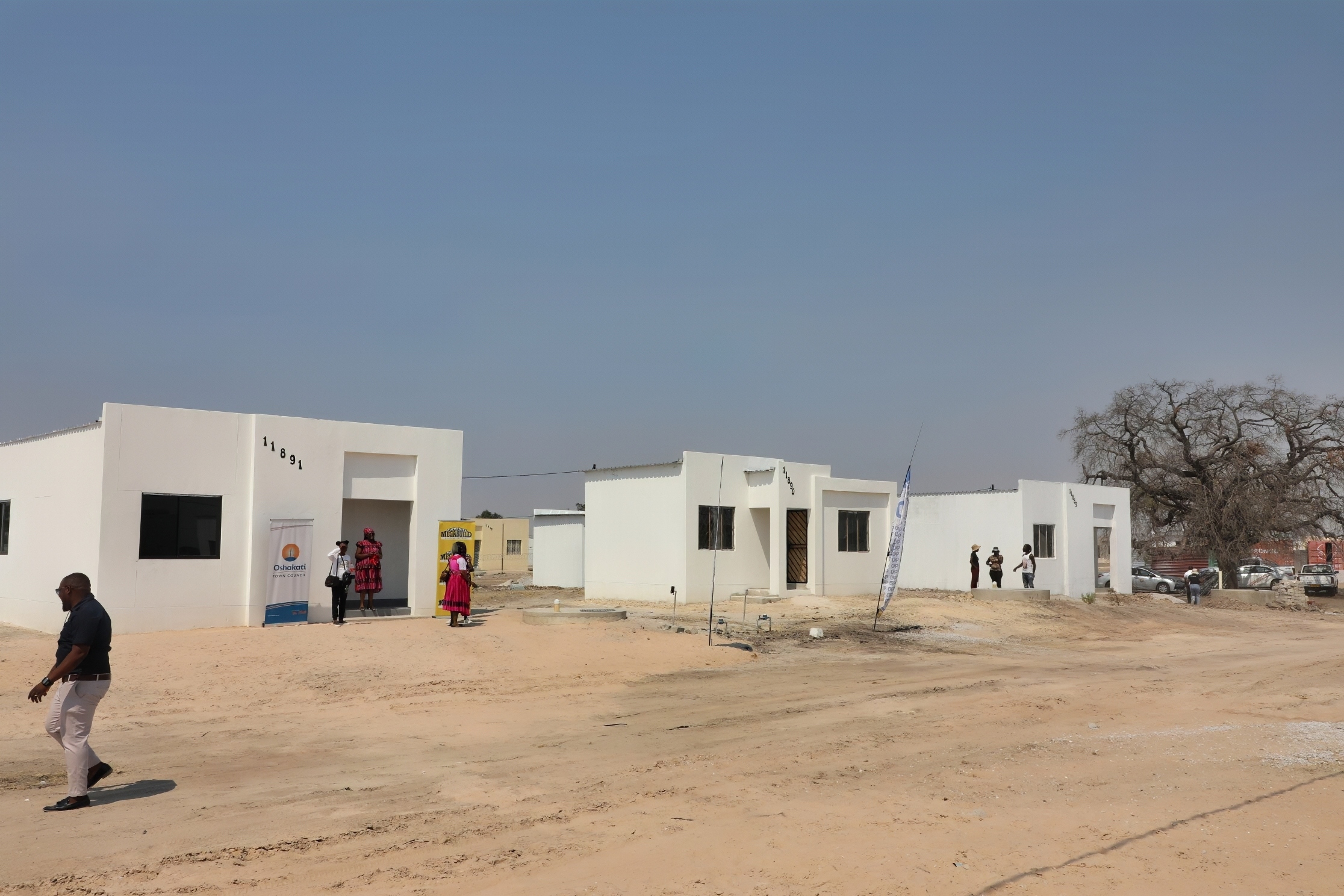
The project’s objective is to enhance living standards by providing contemporary and sufficient housing solutions. This initiative forms part of a wider programme of work to upgrade informal settlements, which often lack basic infrastructure and services. The project’s objective is to enhance the quality of life for residents by providing better housing, ensuring access to safe and comfortable homes.
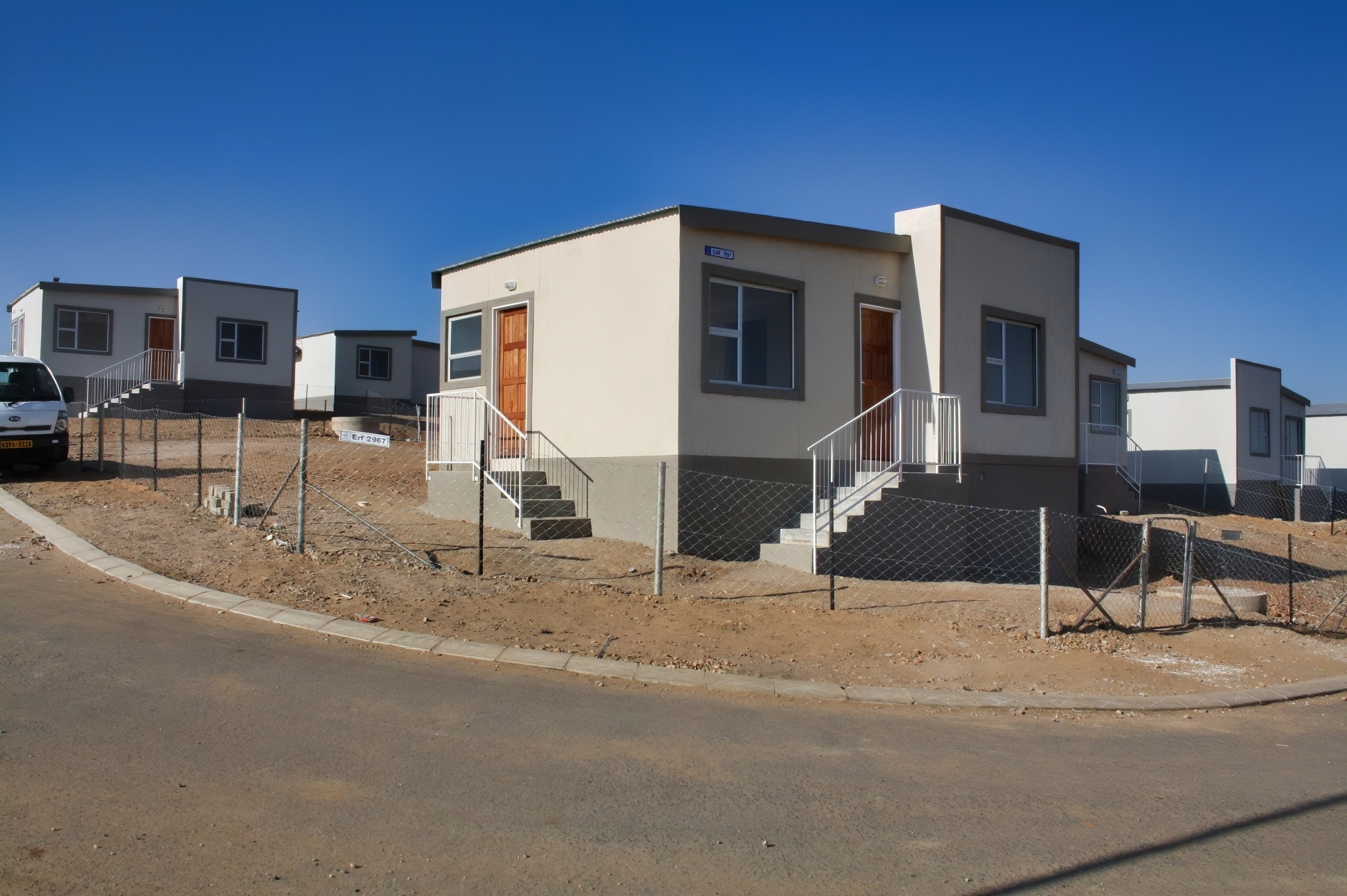
Furthermore, the project is anticipated to have a beneficial impact on the community, creating employment opportunities during the construction phase and fostering a sense of stability and security among residents. The involvement of the National Housing Enterprise and the Ministry of Urban and Rural Development demonstrates the government’s commitment to addressing housing challenges and promoting sustainable urban development in Namibia.
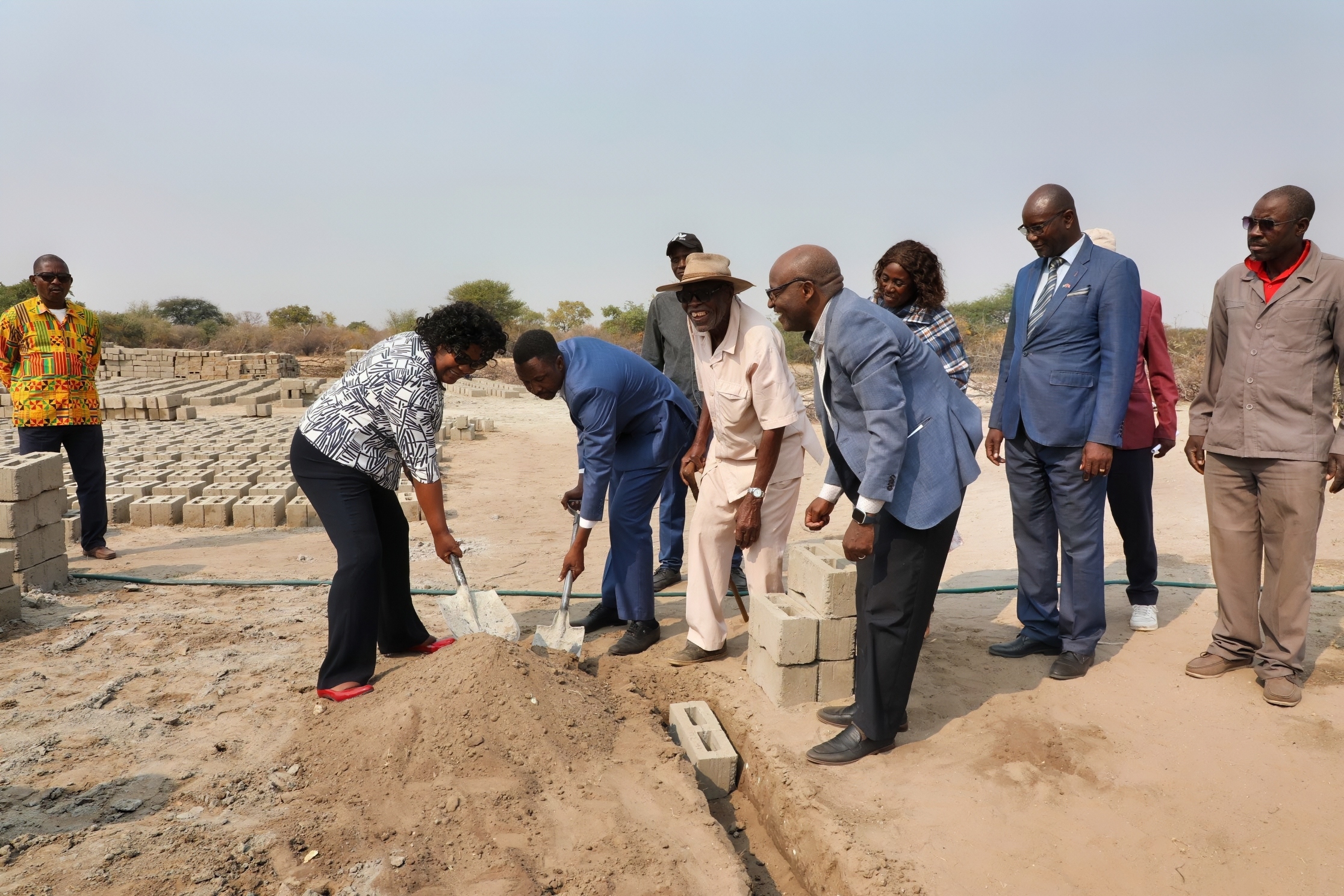
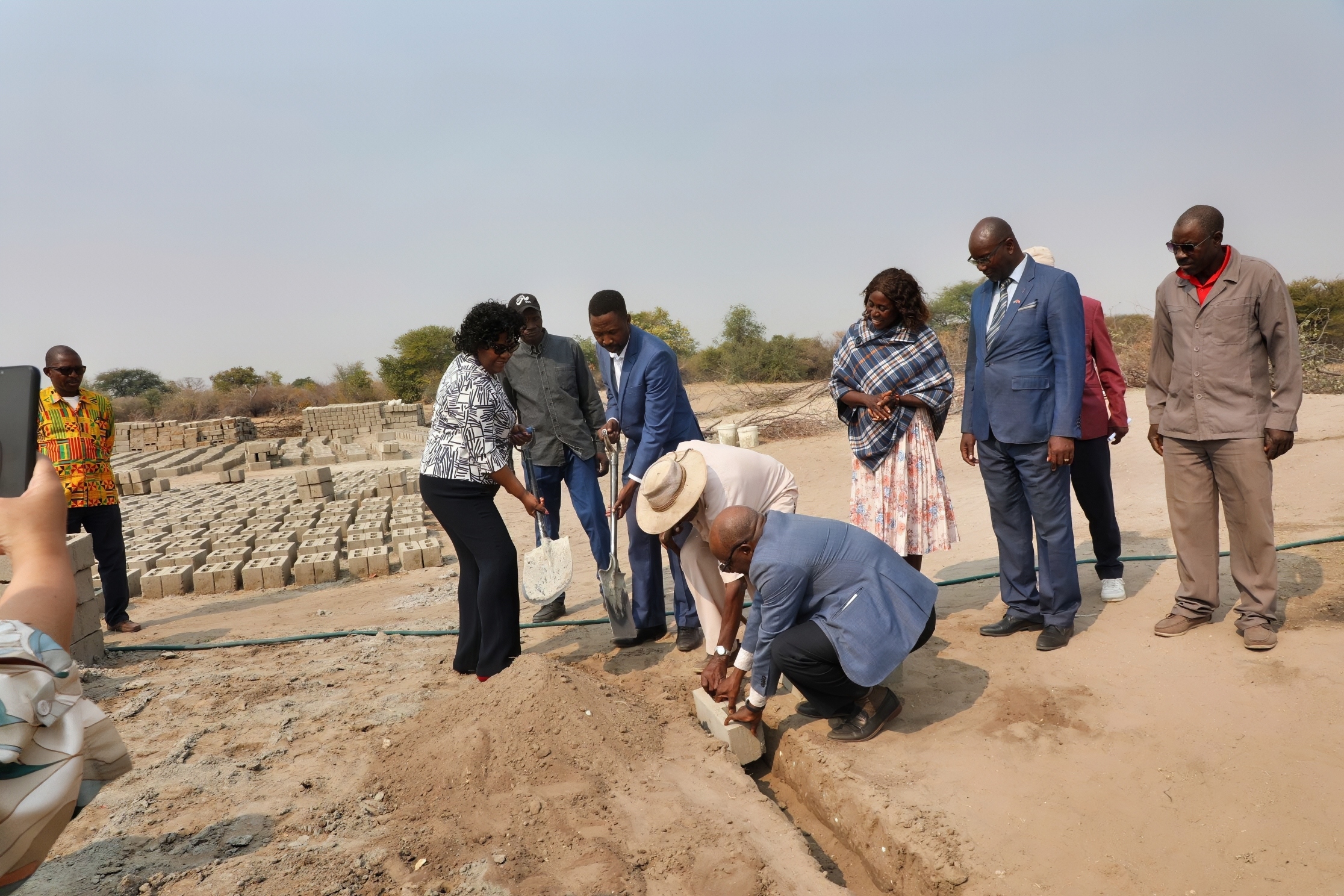
The Informal Settlement Upgrading Project marks a major stride forward in enhancing the quality of life for numerous families in Swakopmund, while also fostering the social and economic growth of the region.
Project Overview
The Informal Settlement Upgrading Project represents a significant initiative with the objective of transforming the living conditions for residents of the Swakopmund DRC Settlement in Namibia. This project is comprehensive in nature, addressing a range of housing and infrastructure issues to enhance the quality of life for the community as a whole.
Addressing Housing Needs
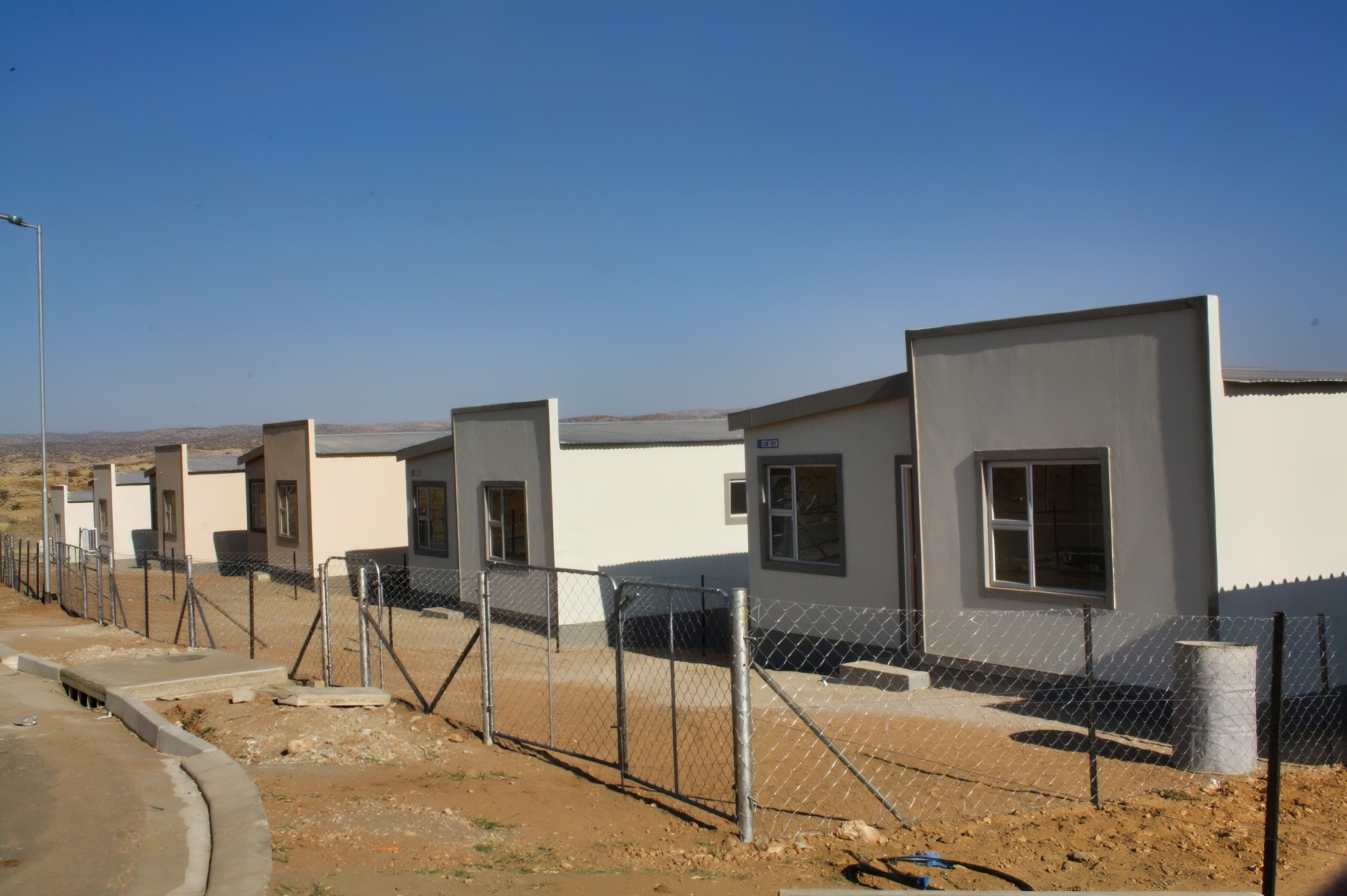
One of the core objectives of the project is to provide suitable housing solutions for over 800 families. This will entail the construction of new homes that are safe, durable and equipped with essential amenities. The project’s objective is to replace the current makeshift shelters and substandard housing with more suitable accommodation.
Infrastructure Development
In addition to providing housing, the project’s objective is to develop essential infrastructure. This will entail the construction of roads, the installation of water and sanitation systems, and the provision of electricity. These improvements are essential for creating a sustainable and liveable environment for residents.
Community Impact
It is anticipated that the project will have a significant and positive impact on the local community. The improved housing and infrastructure will enhance the overall quality of life for residents, providing them with a safer and more stable living environment. Furthermore, the project will generate employment opportunities during the construction phase, thereby contributing to the local economy.
Government and Community Collaboration
The success of the Informal Settlement Upgrading Project hinges on the collaboration between the government, represented by the National Housing Enterprise and the Ministry of Urban and Rural Development, and the community. This partnership guarantees that the residents’ needs and concerns are addressed and that the project is implemented effectively.
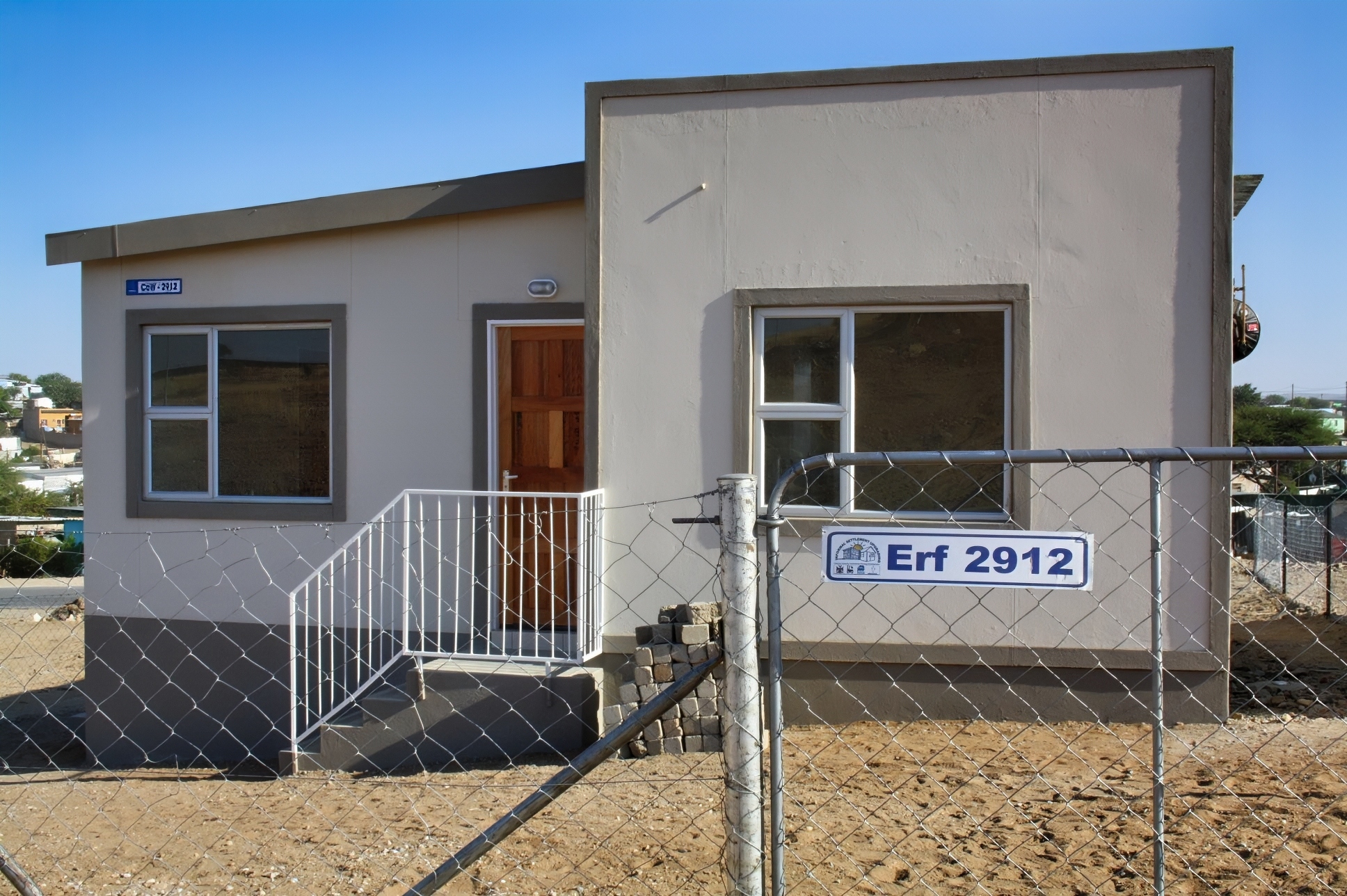
The Informal Settlement Upgrading Project marks a significant step towards improving living standards for many families in Swakopmund, contributing to the social and economic development of the region.
Key Features of the Informal Settlement Upgrading Project
Housing Solutions
The Informal Settlement Upgrading Project is set to provide housing solutions for over 800 families in the Swakopmund DRC Settlement. This will entail the construction of new, safe, durable homes equipped with essential amenities. The project’s objective is to enhance the quality of life for residents by replacing makeshift shelters and substandard housing with improved accommodation. The new homes will provide a stable and secure environment, which is essential for the well-being of the families.
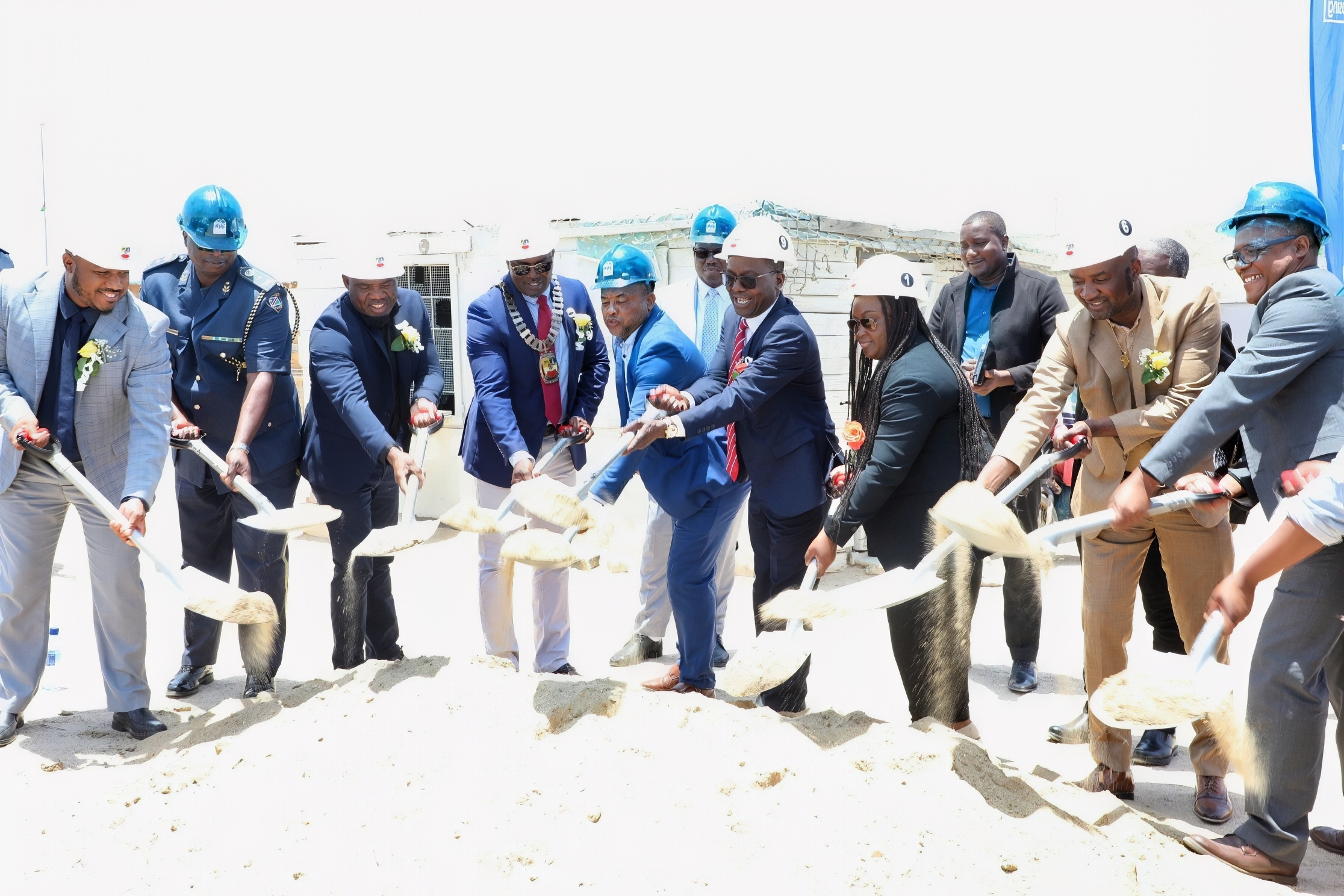
Infrastructure Development
In addition to providing housing, the project will focus on developing essential infrastructure to support the community. This will entail the construction of roads, the installation of water and sanitation systems, and the provision of electricity. These improvements are essential for creating a sustainable and liveable environment.
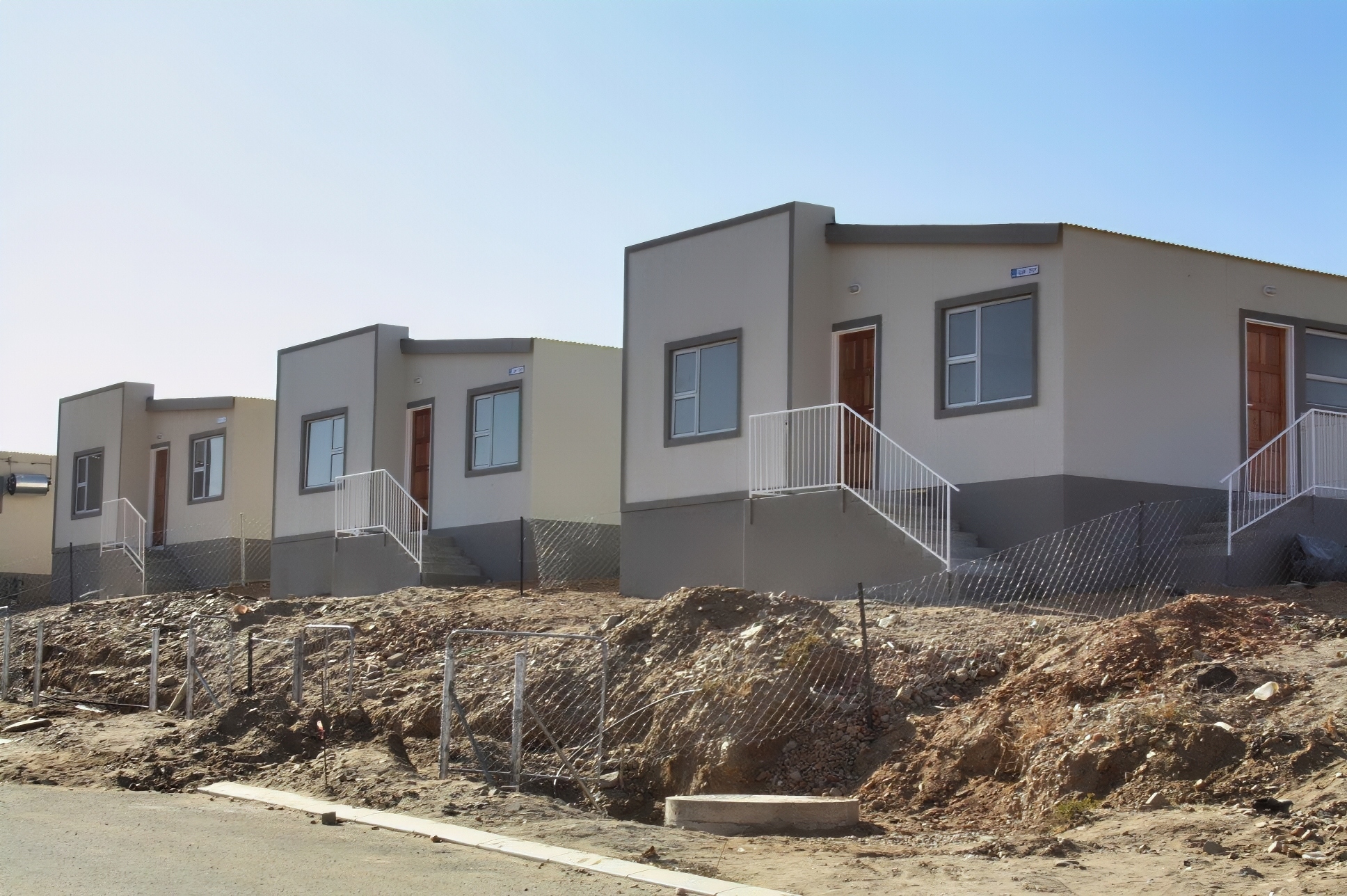
The provision of proper infrastructure will not only enhance the daily lives of residents but also contribute to the overall development of the area, making it more accessible and functional.
Community Impact
It is anticipated that the initiative will have a significant and positive impact on the residents, enhancing their quality of life and providing them with safer and more stable living conditions. The improvement of housing and infrastructure will result in enhanced health outcomes, elevated safety standards and a reinforced sense of community. Furthermore, the project will create employment opportunities during the construction phase, which will have a positive impact on the local economy.
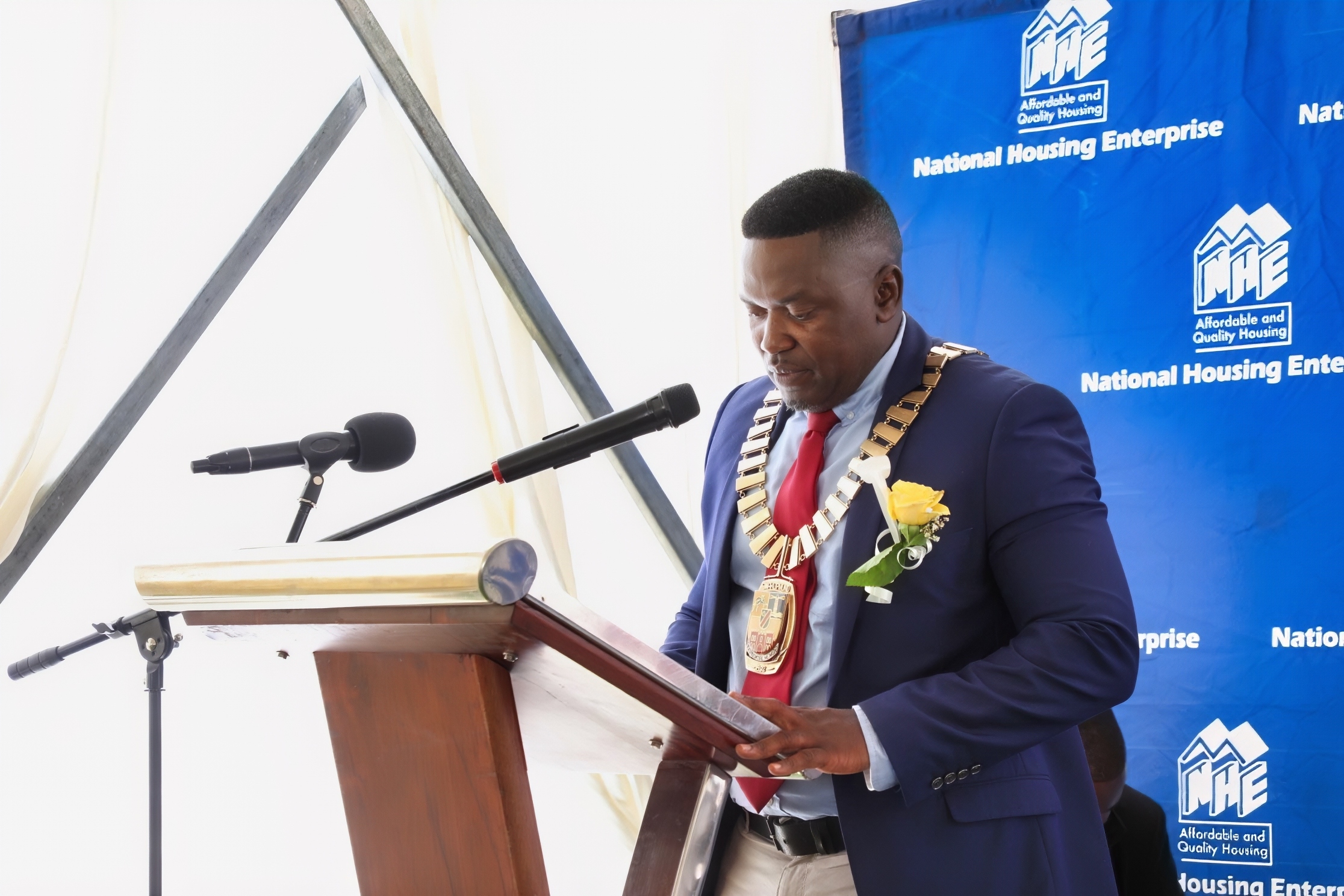
By addressing the community’s most urgent needs, the project aims to foster a sense of pride and ownership among residents, thereby contributing to the social and economic development of the region.
Leadership and Collaboration
The success of the Informal Settlement Upgrading Project in Swakopmund is largely attributable to the robust leadership and effective collaboration between key stakeholders.
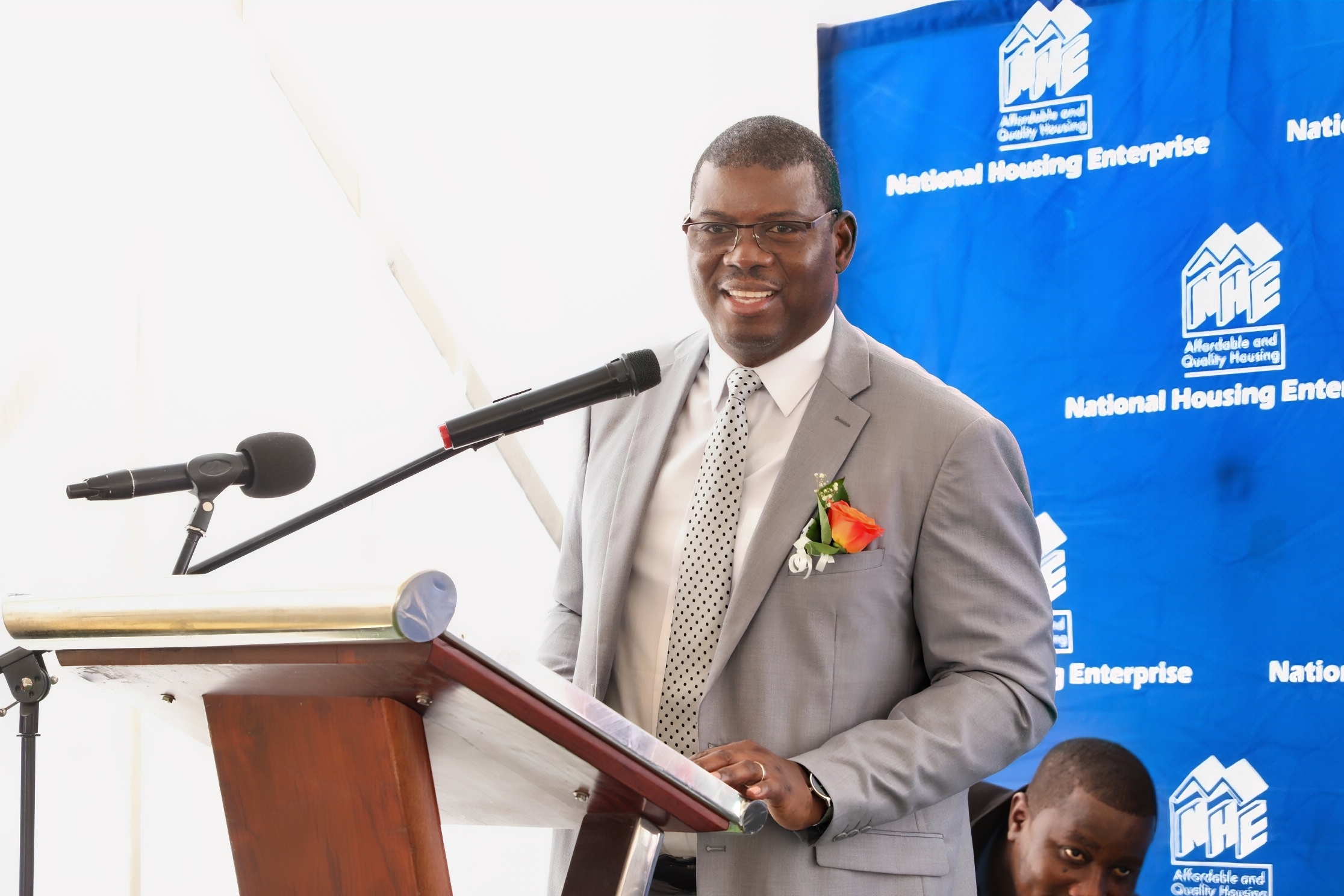
The National Housing Enterprise (NHE) and the Ministry of Urban and Rural Development have formed a partnership to spearhead this initiative, demonstrating a commitment to improving living conditions for the residents of the Swakopmund DRC Settlement.
Role of the National Housing Enterprise
The National Housing Enterprise is a key partner in the project, providing the necessary expertise and resources for the construction and development of housing solutions. Their involvement guarantees that the project will be completed to the highest professional and operational standards, meeting the needs of the community.
Contribution of the Ministry of Urban and Rural Development
The Ministry of Urban and Rural Development, under the direction of Hon. Erastus Uutoni, has played a pivotal role in advancing the project. Minister Uutoni’s commitment to urban development and enhancing living standards has been instrumental in driving the project forward. His leadership has been instrumental in securing the necessary funding and support from various stakeholders, which has been vital to the project’s success.
Collaborative Effort
The partnership between the NHE and the Ministry demonstrates the value of collaboration in addressing complex social issues. By combining their resources and expertise, these organisations can develop sustainable solutions for the community. This collaborative approach not only enhances the project’s effectiveness but also fosters a sense of shared responsibility and commitment to the well-being of the residents.
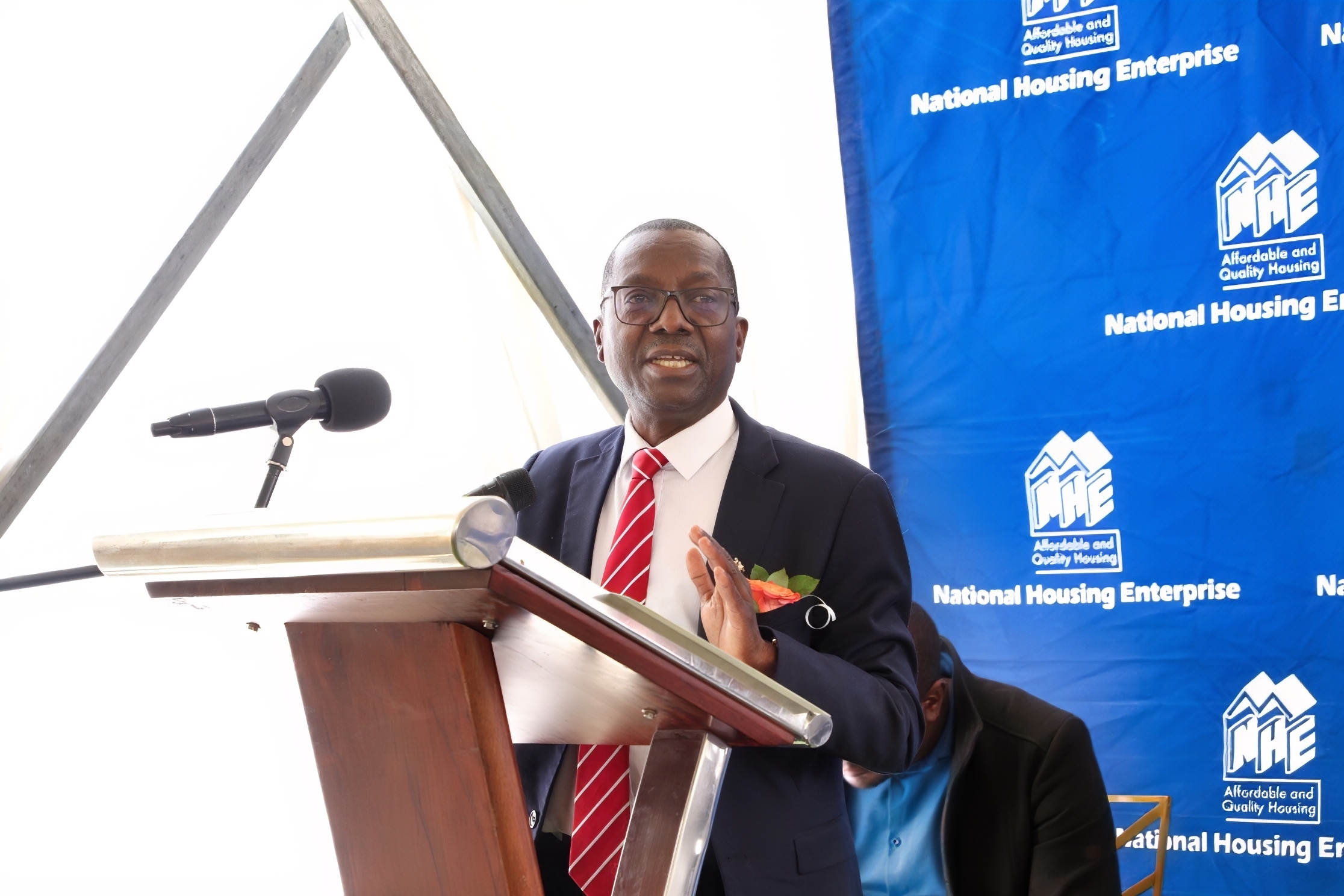
In conclusion, the leadership and collaboration between the National Housing Enterprise and the Ministry of Urban and Rural Development, under the guidance of Hon. Erastus Uutoni, are essential to the success of the Informal Settlement Upgrading Project. The joint efforts of the NHE and the Ministry are having a considerable impact on the lives of over 800 families in the Swakopmund DRC Settlement, providing them with enhanced housing and infrastructure.
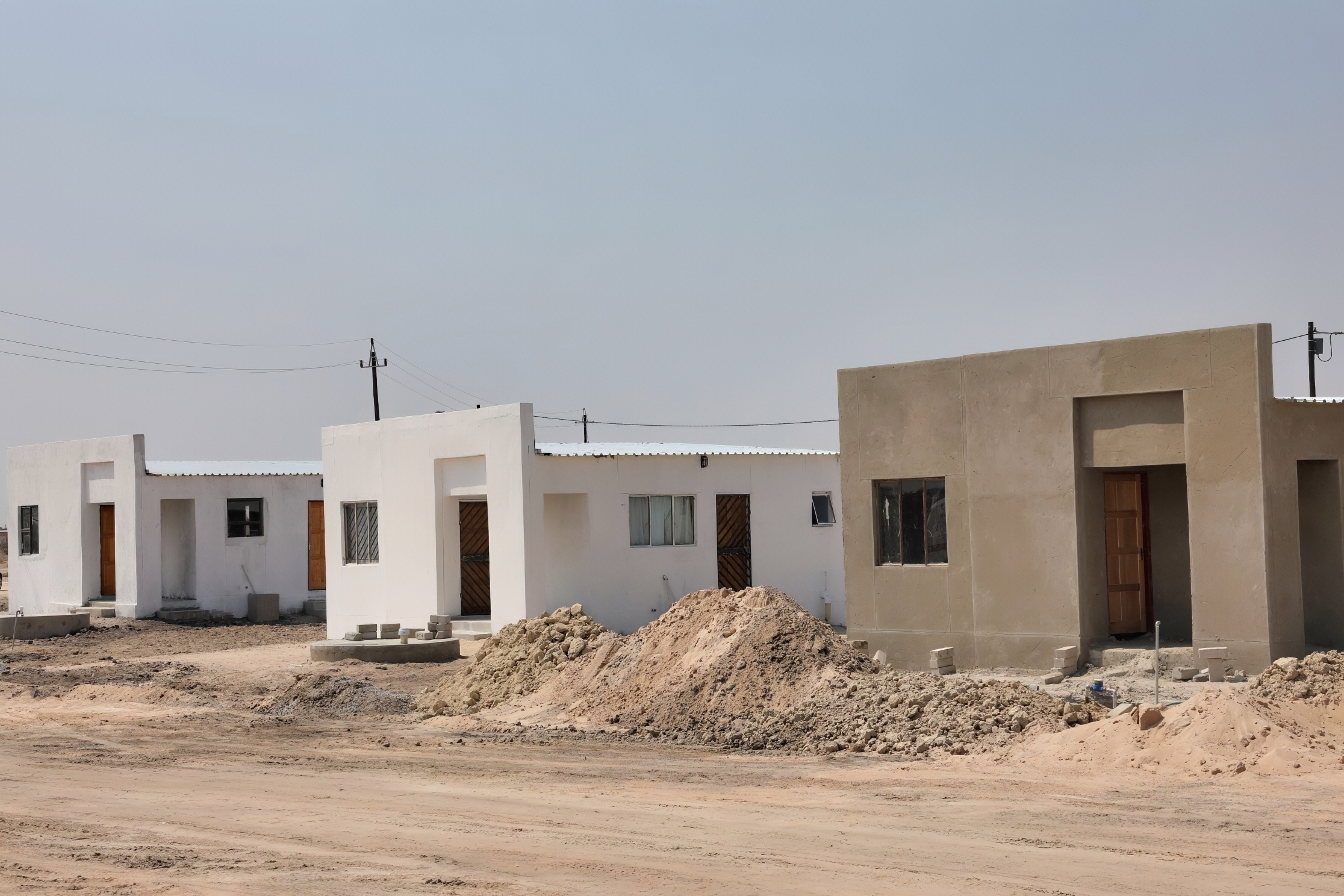
The launch of the Informal Settlement Upgrading Project in Swakopmund marks a significant step forward in improving the living conditions of over 800 families. This project demonstrates the Namibian government’s commitment to addressing housing challenges and enhancing the quality of life for its citizens.
Yoram Abbas

- From Policy to Impact: Namibia’s Government Vows Overhaul at Windhoek Retreat - 7 December 2025
- The Man in Chains: Lolo Goraseb Exposes Rot in Namibia’s Public Service Management - 26 March 2025
- Driving Progress in Namibia: The Role of Digital Identity, Renewable Energy, and PR Strategies - 26 March 2025
Related Publications:
 REVITALISING LIVESTOCK MARKETS IN OUTAPI
 The Trans-Kalahari Railway: Unlocking Economic Potential through Bilateral Collaboration
 NAMIBIAN POLICE FORCE GRADUATION CEREMONY
 PRESIDENT NANGOLO MBUMBA CORDIAL WELCOME TO LUIZA DAMIÃO
 MPLA PAYS TRIBUTE TO NAMIBIAN HEROES MEMORIAL
 PRESIDENT NANGOLO MBUMBA ON A DIPLOMATIC MISSION
 STATEMENT BY HER EXCELLENCY, DR. NETUMBO NANDI-NDAITWAH
 Cruise Ships Arrive in Walvis Bay: Mein Schiff 6 and Norwegian Dawn Make Historic Visits